

Why This Matters

The single most expensive mistake a renter makes at move-out is treating the walk-through as a cleaning job. It is not. The walk-through is a deposit-deduction decision, and landlords deduct predictably: for nail holes, paint scuffs, carpet stains, hard-water rings in the tub, and a handful of other recurring items they have seen thousands of times.
Industry surveys consistently show that tenants lose between $200 and $500 per move-out to deductions that would have cost under $20 and an hour to fix. This guide covers the 12 spots where landlords deduct, in order of how often they appear on itemized deposit statements, with the cheapest fix for each.
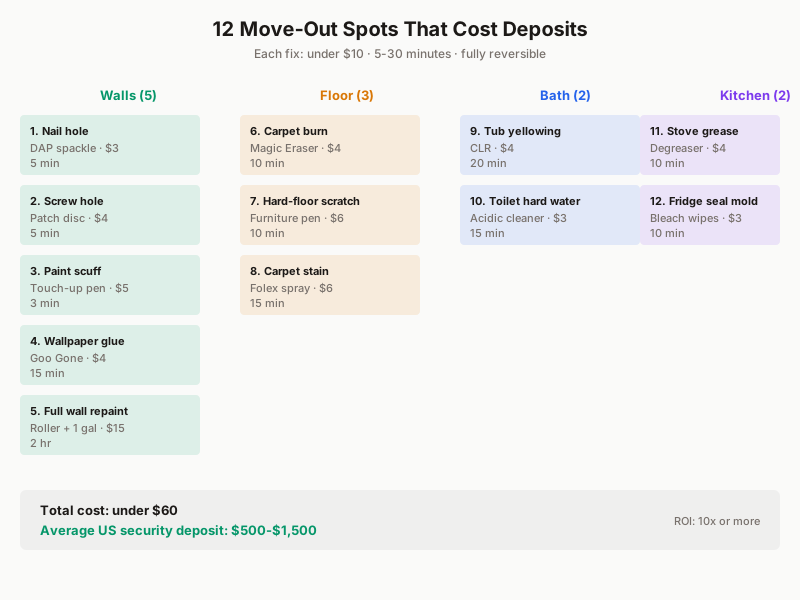
The 12 Spots (and the Fix for Each)
Walls (5 spots)
1. Nail Holes → DAP Spackle · $3 · 5 min
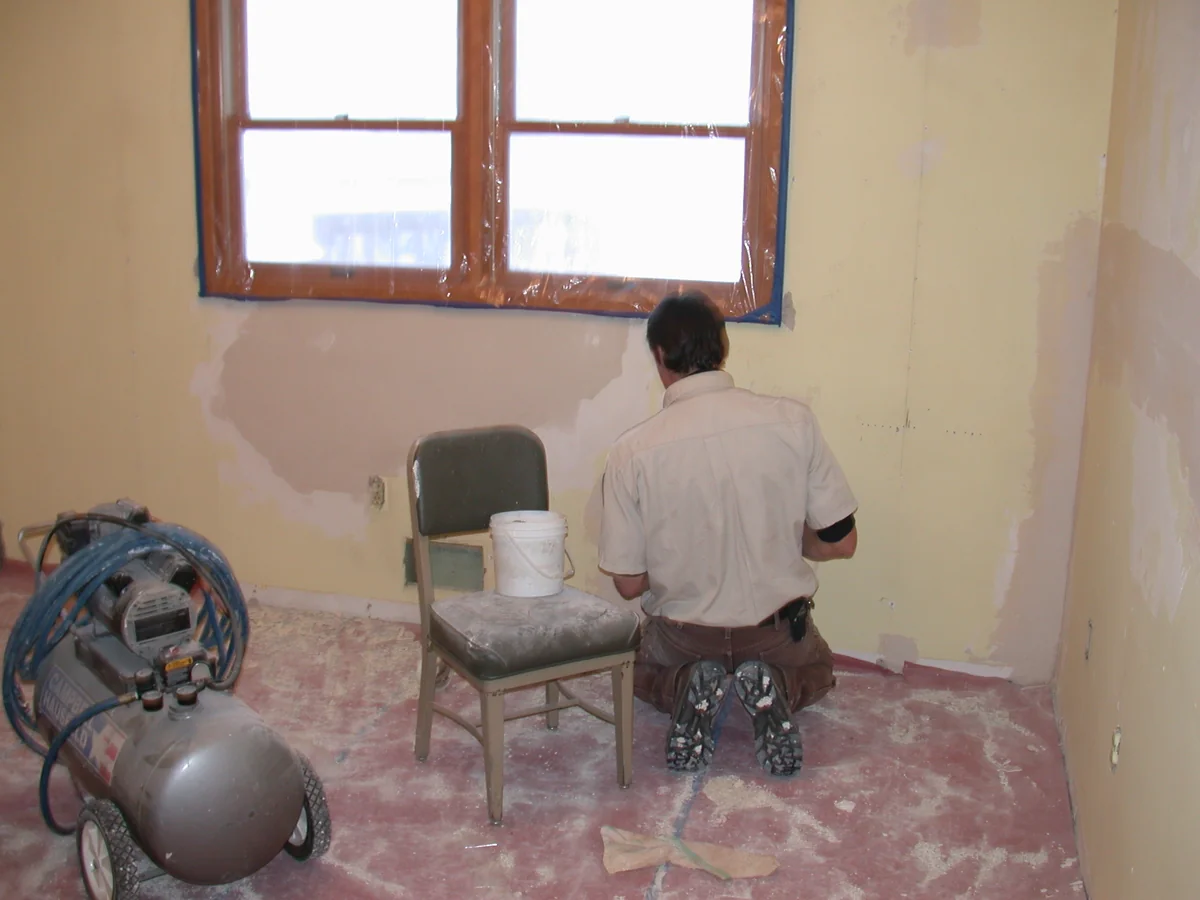
Press a fingertip of DAP spackle into the hole with your finger or a putty knife. Wipe the excess flush with a damp rag. Let dry 30 minutes. Sand lightly with 220-grit. Touch up with a matching wall-color paint pen if the wall is white; for any other color, use a small foam brush and a 1 oz paint sample from the hardware store. Landlords almost never deduct for a properly filled nail hole.
2. Screw Holes → Patch Discs · $4 · 5 min
Slightly larger than nail holes (anchor or shelf-mount screws). The cheapest fix is a self-adhesive mesh patch disc: stick it over the hole, skim with spackle, sand, paint. Total time: 5 minutes. The mesh prevents the spackle from sinking into the wall cavity.
3. Paint Scuffs → Touch-Up Pen · $5 · 3 min
Black rubber scuff marks from furniture or shoes along the baseboard. A melamine foam sponge (Magic Eraser, $4) takes most of them off without damaging paint. For scuffs that do not come off, a paint touch-up pen matched to the wall color covers them in three minutes. Cost: $5.
4. Wallpaper or Tape Residue → Goo Gone · $4 · 15 min
Residue from command-strip hooks, tape, or old wallpaper edges. Apply Goo Gone, wait 3 minutes, scrape with a plastic putty knife, wipe clean. Test on an inconspicuous spot first: Goo Gone can dull matte paint if left longer than 5 minutes.
5. Full Wall Repaint → Roller + 1 gal · $15 · 2 hr
Only needed if a wall has more than 10 visible spots or a deep-clean did not remove the marks. Buy a 1-gallon can of the closest matching color (most hardware stores can match from a phone photo). One weekend afternoon is enough for a 12-by-12 room. Cost: $15 for paint, $5 for a roller and tray if you do not have them. If your lease says the landlord repaints between tenants, skip this step—deductions for repainting a wall the landlord was going to repaint anyway are usually recoverable.
Floor (3 spots)
6. Carpet Burn Marks → Magic Eraser · $4 · 10 min
Small singe marks from an iron or a hot pan. Lightly dampen a melamine sponge and rub the burn in one direction. Most small burns disappear in under a minute. For deeper burns, snip the burnt fiber tips with sharp scissors and fluff the surrounding carpet with a coin edge.
7. Hard-Floor Scratches → Furniture Touch-Up Pen · $6 · 10 min
Surface scratches on vinyl, laminate, or pre-finished wood. A furniture touch-up pen in the closest color fills the scratch in two passes. Buff with a soft cloth after 30 seconds. Avoid the "wood filler" route for surface scratches—it raises the repair above the floor level and reads as worse than the scratch.
8. Carpet Stains → Folex Spray · $6 · 15 min
Spray Folex (or any water-based stain remover) on the stain, wait 60 seconds, blot with a clean rag from the outside in. Repeat up to three times. Do not scrub—it spreads the stain and frays carpet fibers. For old or set-in stains, pour baking soda on the damp area after blotting, let dry 8 hours, vacuum. Total cost: $6.
Bath (2 spots)
9. Tub Yellowing → CLR · $4 · 20 min
Hard-water staining on a porcelain or fiberglass tub. Spray CLR, wait 5 minutes, scrub with a non-abrasive sponge. Do not use bleach on colored tubs—it yellows further. For acrylic tubs, use a dedicated acrylic cleaner (CLR makes one) to avoid dulling the finish.
10. Toilet Hard-Water Ring → Acidic Cleaner · $3 · 15 min
The brown or grey ring at the waterline. A pumice stone ($3) rubbed gently under water removes it without scratching porcelain. For stubborn rings, an acidic toilet bowl cleaner (the kind with hydrochloric acid in the active ingredients list) does the job in 10 minutes. Cost: $3.
Kitchen (2 spots)
11. Stove Grease → Degreaser · $4 · 10 min
Spray the stovetop and hood with a kitchen degreaser (Krud Kutter, Mean Green, or a generic equivalent). Wait 3 minutes, wipe with a damp rag. For burnt-on spills on glass-top stoves, a razor blade held at 30 degrees scrapes the residue without scratching the glass. Cost: $4.
12. Fridge Door Seal Mold → Bleach Wipes · $3 · 10 min
Pull the seal back, wipe with a bleach wipe or a cloth dampened with a 1:10 bleach-water solution. Dry the seal before closing the door. If the mold has blackened the rubber, the seal needs replacing (a $10 part from the manufacturer). Most landlords will not deduct for a clean seal.
Total Cost vs Deposit Math
The full 12-spot kit:
| Item | Cost |
|---|---|
| DAP spackle (small) | $3 |
| Patch discs (4-pack) | $4 |
| Touch-up paint pen | $5 |
| Goo Gone (small) | $4 |
| Magic Eraser (2-pack) | $4 |
| Furniture touch-up pen | $6 |
| Folex (small) | $6 |
| CLR (small) | $4 |
| Acidic toilet cleaner | $3 |
| Degreaser (small) | $4 |
| Bleach wipes | $3 |
| Pumice stone | $3 |
| Total | $49 |
Most of these items last across multiple apartments—a $3 spackle tube handles 30 nail holes, the $4 Magic Eraser pack handles a dozen cleanings. So the one-time cost is closer to $30, and the per-move-out cost is closer to $10 in replacement supplies.
Landlord Walk-Through: How to Document
Three habits make deductions recoverable.
- Photograph every room before the walk-through, time-stamped. Email the photos to yourself so they are timestamped by a third party (your mail server).
- Walk through with the landlord together, not alone. Most state laws require the landlord to identify damage at the walk-through; deductions for damage you were never shown to fix are usually contestable.
- Get the inspection result in writing. If the landlord says "looks good," ask for an email confirmation. If they send an itemized deduction list later, you have something to negotiate against.
Frequently Asked Questions
How long does a landlord have to return a security deposit?
In most US states, between 14 and 30 days after move-out. Some states have shorter deadlines (California: 21 days), some longer (New York: "reasonable time"). The exact rule is in your state tenant-rights guide. The walk-through you do on move-out day is the most important input to that deadline: the landlord must identify damage then, not invent it 25 days later.
Can a landlord charge for repainting?
In most states, yes—but only if the damage exceeds "normal wear and tear," and only for the portion of the wall that exceeds normal wear. Many leases also state that the landlord repaints between tenants at their own cost, in which case a repainting deduction is contestable. Photograph your walls at move-in (when you first get the keys) and at move-out; the side-by-side photo often settles the dispute.
What damages can a landlord deduct from a deposit?
Exceeding normal wear and tear: nail holes beyond a reasonable count, paint scuffs beyond a reasonable amount, carpet stains, broken fixtures, missing keys, and unpaid rent. Most states require the deduction list to be itemized. Unpaid utilities are sometimes added; check your lease for the specific language.
Do I need to professionally clean before moving out?
Almost never, no. The lease may require "professional cleaning" if it explicitly says so, but most leases require only "clean" condition, which a 2-hour DIY pass handles. If your lease requires a professional cleaning receipt, the cost is usually $150–$300 for a 1-bedroom apartment—deductible from the deposit if you do not provide it.
How do I patch nail holes in drywall?
Press a fingertip of DAP spackle into the hole with your finger or a putty knife. Wipe the excess flush with a damp rag. Let dry 30 minutes. Sand lightly with 220-grit sandpaper. Touch up with a matching wall-color paint pen for white walls, or a small foam brush and a 1 oz paint sample from the hardware store for any other color. The whole job is about 5 minutes per hole.
Will spackle show up on white walls?
Spackle alone is slightly off-white compared to most apartment wall paints. If you do not paint over it, the repair reads as a small bright dot in raking light. A single pass with a $5 touch-up paint pen matched to the wall color eliminates this. Landlords rarely deduct for spackled-and-painted nail holes; they regularly deduct for visible spackle-only repairs.
How do I clean an apartment in 2 hours?
Work top-down, room-by-room. Start with the kitchen (grease is the slowest to remove if it cools). Hit the bathroom while the tub cleaner is still wet. Vacuum all floors last so any dust falls to a cleanable surface. Skip baseboards—they look clean from standing height and landlords rarely bend down to check. The 2-hour pass handles everything that shows on a standard move-out inspection.
Can a landlord keep my deposit for painting?
Only if the lease explicitly states that the tenant is responsible for repainting at move-out, and even then, most states require the landlord to prove the damage exceeds normal wear and tear. A wall with 30 nail holes and a coffee stain is a repainting deduction; a wall with 5 small nail holes is normal wear and not. The best defense is a move-in photo of every wall.
Wrapping Up
The deposit is not lost at move-out. Twelve specific spots account for the majority of deductions, and each one is fixable in under thirty minutes for under ten dollars. A weekend spent working through this checklist typically returns the deposit in full or close to it; a move-out without the checklist typically returns $200–$500 less than the original amount.
For more renter-safe strategies, see our Rental Hacks library:
- How to Hang Art Without Damaging Walls — the prevention side of this checklist.
- Removable Backsplash: Peel-and-Stick Tile Guide — a reversible kitchen upgrade that comes off in 5 minutes.
- Renter-Friendly Window Treatments That Look Custom — another zero-deposit-loss upgrade.


Discussion (0)
Sign in to join the discussion