

I learned the hard way what does not work for removing adhesive residue from walls. The first time I tried to clean tape residue off my living room, I grabbed the citrus-based remover that every forum recommended, waited the suggested 30 seconds, and watched the latex paint come off in a quarter-sized patch when I scraped. The landlord did not ask questions. He just showed me the line item on the move-out statement.
What removes adhesive residue without ruining the paint underneath is the real question, and the answer is not what most product lists will tell you. After that move-out, I went down a serious rabbit hole of testing ten different ways to remove adhesive residue from walls. Some work, some quietly destroy the paint underneath, and some are wildly oversold. Here is what I actually use now, ranked from the safest paint-friendly option to the last-resort heavy-duty choice, plus what each one is actually good for.
What Removes Adhesive Residue (and Why Most Removers Quietly Peel the Paint)
The problem with most commercial adhesive removers is that they work by dissolving the bond between the adhesive and the surface. On a painted wall, the bond they are dissolving is often the bond between the paint and the drywall paper underneath. If the paint is older than five years, or if it was applied over a previous paint layer that was not properly primed, the remover will slip under the paint edge and lift it. You end up trading adhesive residue for paint chips, which is the exact opposite of what you wanted. The fix is to think about the paint before the glue: use methods that soften the adhesive enough to roll or peel it off, instead of methods that dissolve everything in a two-inch radius.
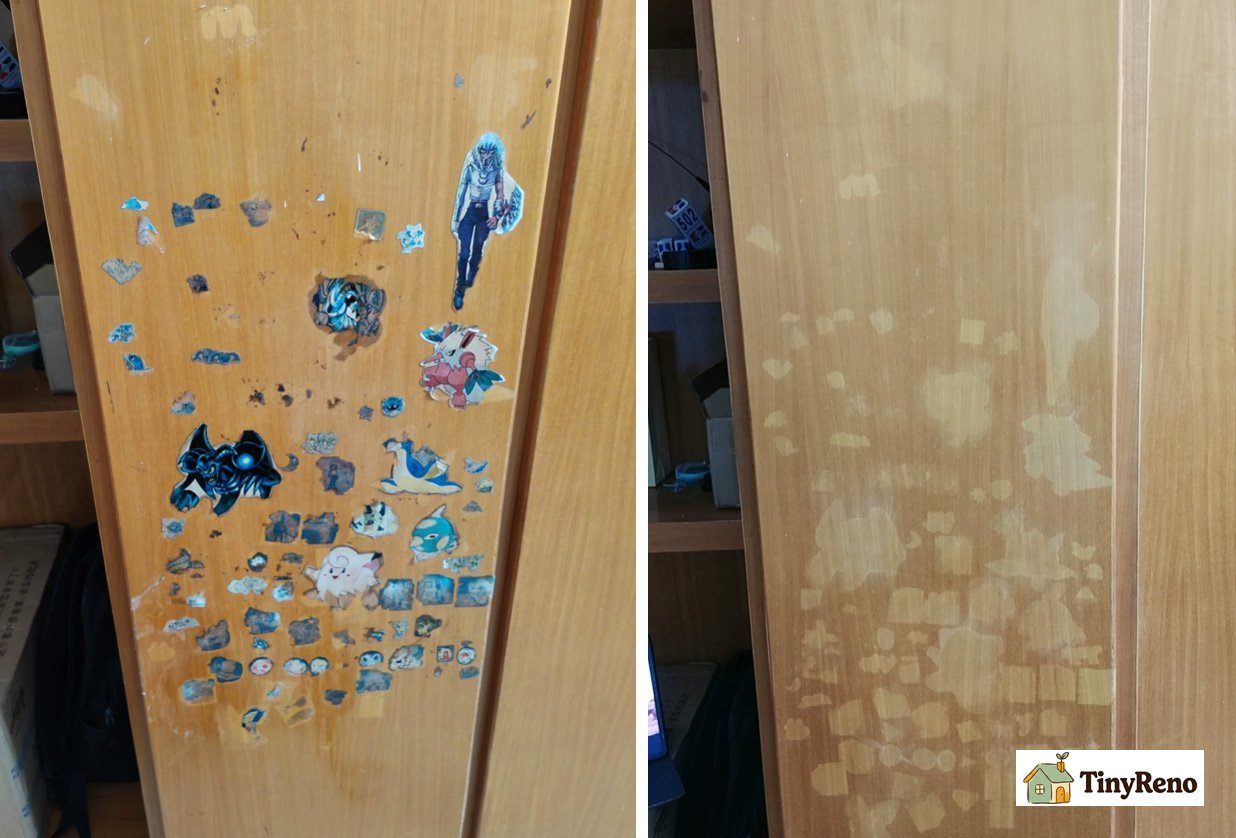
The 10 Methods, Ranked from Safest to Last-Resort
Before the ranking, one note: the surface matters. The same adhesive residue that wipes off glass with a paper towel can soak into wood grain and need three rounds of treatment to clear. The list below is ranked for painted walls, which is the surface most renters are actually trying to clean.
1. Hair Dryer + Plastic Scraper (the Starting Point)
This is the first thing to try on any new adhesive spot, and it solves more problems than people expect. Hold a hair dryer on low about four inches from the wall for 30 to 60 seconds. The heat softens the adhesive without changing the paint underneath, and a plastic scraper (an old credit card, a plastic putty knife, even a fingernail) will lift most of the residue in one pass. The trick is to work slowly and reheat sections that are still stuck, instead of trying to scrape cold adhesive. That is what causes paint chips.
2. Warm Soapy Water + Microfiber Cloth
For water-based adhesives (most sticker residue, washi tape, light putty), warm water with a few drops of dish soap and a microfiber cloth will get eighty percent of the residue off in five to ten minutes of patient rubbing. The cloth needs to be damp, not dripping. Too much water will soak into the drywall paper and bubble the paint. This is the slowest method but also the safest one for paint that is already showing its age.
3. White Vinegar Solution (1:1 with Water)
Mix one part white vinegar to one part warm water. Apply with a microfiber cloth and let it sit on the residue for three to five minutes. Do not let it pool on the wall. Vinegar is mildly acidic, so it will soften most synthetic adhesives without touching the paint if you rinse the area with a clean damp cloth after. This is my go-to method for tape residue that the hair dryer could not lift.
4. Cooking Oil + Baking Soda Paste
Make a paste of baking soda and a neutral cooking oil (canola or vegetable, not olive). Apply it to the residue, let it sit for five minutes, then rub gently in circles with a microfiber cloth. The oil breaks down the adhesive and the baking soda acts as a very mild abrasive that will not scratch paint. Wipe clean with a damp cloth when done. This is the method I use on Command Strip residue specifically, because it handles the foam backing without dissolving the wall underneath.
5. Rubbing Alcohol (Use a Cotton Swab, Not a Sponge)
Rubbing alcohol will work on stubborn residue, but it carries a higher paint-lift risk than the gentler methods above. If you use it, apply it with a cotton swab only on the residue itself, do not scrub the surrounding wall, and rinse with a damp cloth after. It evaporates fast, which is why it is method five and not method one. The risk is that on flat or matte paint it can dull the finish in a wider spot than you intended.
6. Heat Gun (the Power Hair Dryer Upgrade)
A heat gun is just a much hotter version of the hair dryer, and it will soften adhesive faster. The danger is that it softens the paint too. If you go this route, keep the gun moving constantly, hold it at least six inches from the wall, and never linger on one spot. A heat gun is the right tool for a stubborn Command Strip foam backing that the hair dryer could not penetrate, but it is overkill for regular tape residue.
7. Budget Citrus-Based Adhesive Remover Spray (Under $5)
This is where the budget sprays come in. The widely available citrus-based adhesive remover sprays sold under $5 a bottle are mostly orange oil or d-limonene as the active ingredient, and they are noticeably gentler than the heavier solvent-based removers. They also usually come with a small plastic scraper in the box. From what I have read in reviews and what I have tried myself, these sprays work on most sticker and tape residue, they smell strong (like orange peel plus kerosene), and the bottle is small enough that you will run out before the project is done if you have more than one or two spots. The reviews are split on whether they damage paint: most say no on latex paint, a small number report dull spots. Test on a hidden area first.
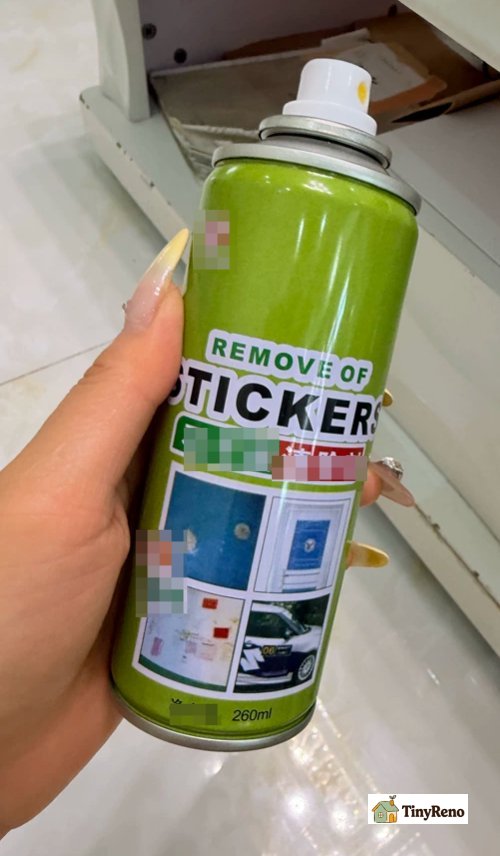
8. Industrial Solvent Adhesive Remover (the Last-Resort Tier)
These are the heavy-duty removers sold at hardware stores for construction adhesive, gasket residue, and tar. They work, but the paint risk is real. If you have tried methods 1 through 7 and there is still residue on the wall, use one of these with two rules: first, test it on a hidden spot (behind a piece of furniture, inside a closet) to make sure it does not lift your paint. Second, apply it with a cotton swab only on the residue itself, not on the surrounding paint, and rinse immediately after with a damp cloth. If the residue is still there after two cotton-swab passes, stop and consider option 10 instead.
The golden rule: before any chemical touches your wall, do a 5-minute test on a hidden spot (inside a closet, behind the toilet). If the paint dulls, softens, or lifts, stop immediately. That 5 minutes saves you a $150 security deposit deduction.
9. The "Wait Until Move-Out" Trick (For Small Hidden Spots)
If the residue is small and the wall color is something close to white, off-white, or beige, your landlord will probably not notice a small sticky spot. If you are doing your final walk-through and the residue is in a spot that will be hidden by furniture anyway, sometimes the cheapest fix is no fix at all. This is method nine because it requires honest self-assessment about what your landlord actually looks at.
10. Small Bottle of Matching Wall Paint (the Last Resort)
If the spot is visible and the residue is not coming off, a small bottle of matching wall paint (sample size, under ten dollars) can cover the spot in one coat. Check your lease first, because some landlords will charge you for painting over their original color. But on a small leftover patch of residue, paint is often cheaper than another hour of scrubbing and far cheaper than a paint-chip repair from a solvent remover.
For how to paint the wall, please look here.
3 Methods That Sound Smart but Quietly Fail
These are the ones I have seen recommended in forums and tried anyway, and they are not worth your time on a painted wall. The Magic Eraser is great for scuffs on baseboards but on adhesive residue it just polishes the adhesive into the paint and dulls the finish. Lighter fluid works on some industrial adhesives but on residential latex paint it softens the paint before it softens the glue. WD-40 will loosen the adhesive, but it also soaks into the drywall paper and will bleed through the paint for months. Save these for non-painted surfaces like metal or glass, and even then, test first.
The Honest Downsides of Every Method That Actually Works
Even the good methods have trade-offs. Hair dryer method takes five to ten minutes per spot and you will be on a stepladder. Vinegar smells bad for an hour after and can etch flat paint if you let it pool. The oil and baking soda paste leaves a greasy film that needs a follow-up wipe with dish soap. The budget citrus sprays smell strongly of orange and kerosene, the bottles are small, and the consensus from a lot of user reports is that the smell hangs in the room for a couple hours even with ventilation. None of these are deal-breakers, but if you are sensitive to smell or you have a small child in the apartment, plan on opening windows for at least an hour after using the citrus sprays or the vinegar method.
Surface-by-Surface Cheat Sheet (Wall, Wood, Glass)
The ranking above is tuned for painted walls. For wood surfaces, the oil and baking soda paste works better than it does on walls, but you need to follow up with a wood-safe cleaner to remove the oil film. Mineral spirits is the old-school choice for wood but it will also strip wood stain, so test first. For glass, almost any of the methods above will work because glass is non-porous. A razor blade scraper plus the citrus spray will clear any residue off a window in under a minute, no paint risk because there is no paint. If you are working on glass near painted trim, mask the trim with painter's tape first.
Bottom Line: What Removes Adhesive Residue Without Peeling Paint (and What I Wish I Knew)
If I could redo my first apartment move-out, the answer to what removes adhesive residue without peeling paint would have been clear from day one. Start with the hair dryer on every single adhesive spot before reaching for any chemical. The citrus spray approach is faster in the moment, but it costs you paint chips you cannot put back. For most rental walls, the heat and scraper method alone will handle seventy percent of adhesive residue, the oil and baking soda paste will handle another twenty percent, and the vinegar method will get most of what is left. Save the commercial removers for the ten percent that really need them, and always, always test in a hidden spot first. The five-minute test is cheaper than the paint patch, and knowing what removes adhesive residue safely is the difference between a clean move-out and a security deposit one one.


Discussion (0)
Sign in to join the discussion