

How to hang curtain rods in an apartment is the question that finally pushed me to test every no-drill method I could find. After losing part of a security deposit to four nail holes in a window frame, I spent the next three rentals trying every renter-friendly curtain rod option, including tension rods, adhesive mounts, command strip brackets, and one method I do not recommend under any circumstances. Here is what actually works, what quietly fails, and how to hang curtain rods without making your landlord send you a repair bill at move-out.
The honest truth is that most online guides will tell you to drill four holes and call it a day. For homeowners, that is fine. For renters, those four holes are four deposit deductions waiting to happen. This article covers seven renter-tested ways to hang curtain rods without drilling, plus the one case where drilling is actually the right move. The order is from easiest to most involved, and each method is rated for the type of curtains it will actually hold, the wall surfaces it works on, and how it looks at move-out inspection.
How to Hang Curtain Rods Without Drilling: the Quick Answer
If you just want the short answer, here it is. For windows between 30 and 60 inches wide and curtains under five pounds total, a tension rod is the fastest install and the cleanest removal, and it works on tile, drywall, and wood window frames. For heavier curtains or wider windows, a no-drill adhesive bracket is the next step up, and it will hold curtains up to about 15 pounds per bracket. Both options leave no holes, no adhesive residue, and no security deposit drama. The rest of this article walks through each method in detail, what surfaces they work on, and the exact weight limits you should respect before a curtain rod falls down in the middle of the night.
7 Renter-Tested Methods to Hang Curtain Rods
Here are the seven ways I have actually used to hang curtain rods across six rentals, ranked from the easiest install to the most involved. Each method lists what surfaces it works on, what curtain weights it will hold, and what the move-out looks like.
1. Tension Rod (the Easiest, 0 Tools Required)
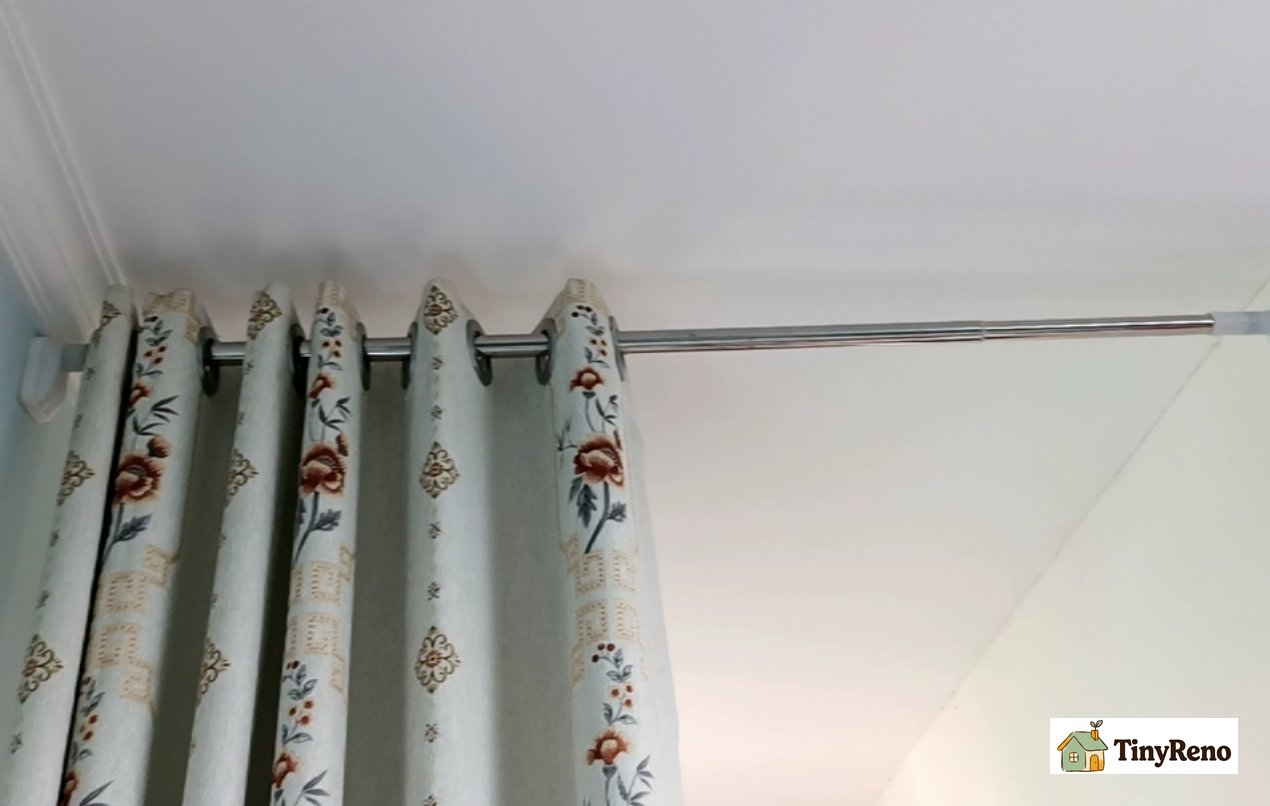
A tension rod is a spring-loaded pole that stays in place because the internal spring pushes the rubber end pads against two opposing surfaces. No screws, no holes, no adhesive. For windows between 30 and 60 inches wide, a standard chrome tension rod will hold curtains up to about 5 pounds total without any adjustment for months. The trick is to wipe both wall surfaces and both rubber pads with rubbing alcohol before installing, and to test the rod after the first curtain cycle to make sure the weight did not shift the tension. Tension rods work on tile, painted drywall, wood window frames, and most flat surfaces. They do not work on heavily textured walls, popcorn ceilings, or any surface where the rubber pads cannot get a flat grip.(Pro Tip: Run your hand over the spot. If you can feel distinct bumps or it sounds like sandpaper, a tension rod is like a tire trying to grip a cobblestone road—it might hold for a day, but it will eventually slip. Always test with light pressure first.)
2. No-Drill Adhesive Brackets (the Heavy-Duty Option)
Adhesive curtain rod brackets mount to the wall with a strong double-sided adhesive pad instead of screws, and they hold significantly more weight than a tension rod. Most rated versions hold 10 to up to 16 pounds per bracket, which covers most blackout curtains and layered drapes. The install takes about 10 minutes per bracket, and the adhesive needs 24 hours to fully cure before you hang the rod and curtains. The move-out is the catch. The adhesive can leave a soft residue on the wall that comes off with a Magic Eraser and a little dish soap, but on older paint or unprimed walls, the adhesive can lift a thin layer of paint when removed. Test the adhesive in a hidden spot first, like behind a piece of furniture or inside a closet, before committing to the install.
3. Command Strip Hooks + a Separate Rod (the Cheapest Hack)
If you already own Command Strips and a curtain rod, you can hang the rod with two large Command Strip hooks mounted to the wall, then rest the curtain rod on the hooks instead of threading it through traditional brackets. This method holds light to medium curtains (under 7 pounds) and the install is fully removable without damage if you use the correct removal technique (heat with a hair dryer, pull the tab straight down slowly, never yank). The downside is that the rod can shift horizontally because the Command Strip hooks are not designed to grip the rod end-to-end, so the curtains may slide to one side over time. A small piece of museum putty on each hook solves the slide problem.
4. Tension Rod Inside the Window Frame (the Hidden Option)
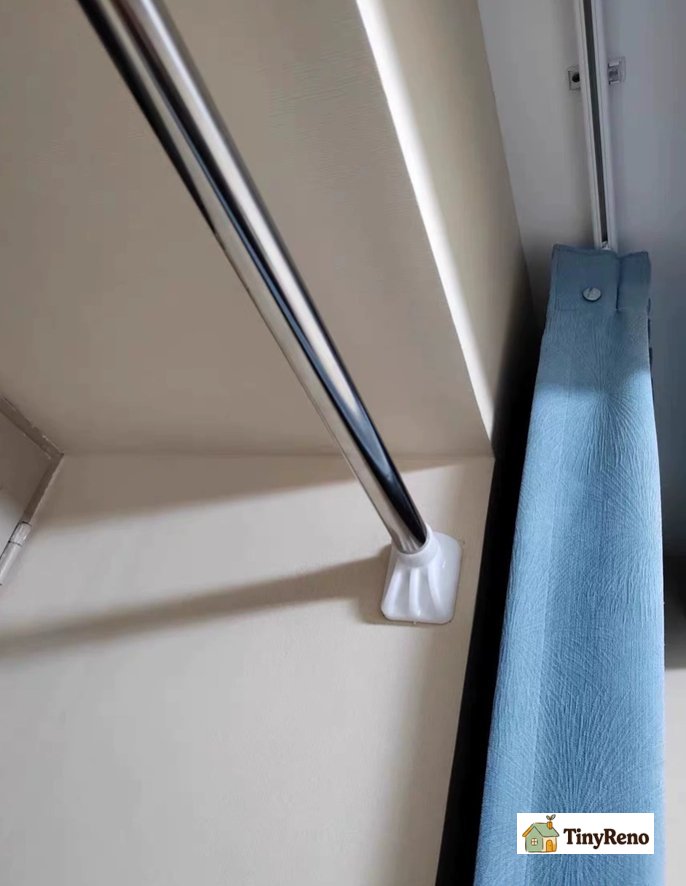
For windows with a deep enough frame, a short tension rod mounted inside the frame, between the side jambs rather than above the window, will hold light curtains without any visible hardware. The curtain rod disappears behind the curtain, and the install is completely reversible in 30 seconds. This works on most double-hung windows with at least 2 inches of frame depth, and on sliding windows where the rod can sit in the top track. The weight limit is the same as a regular tension rod, around 5 pounds, so use it for sheer curtains or light cotton drapes rather than blackout layers.
5. Spring Tension Mount Brackets (the Pro-Looking Option)
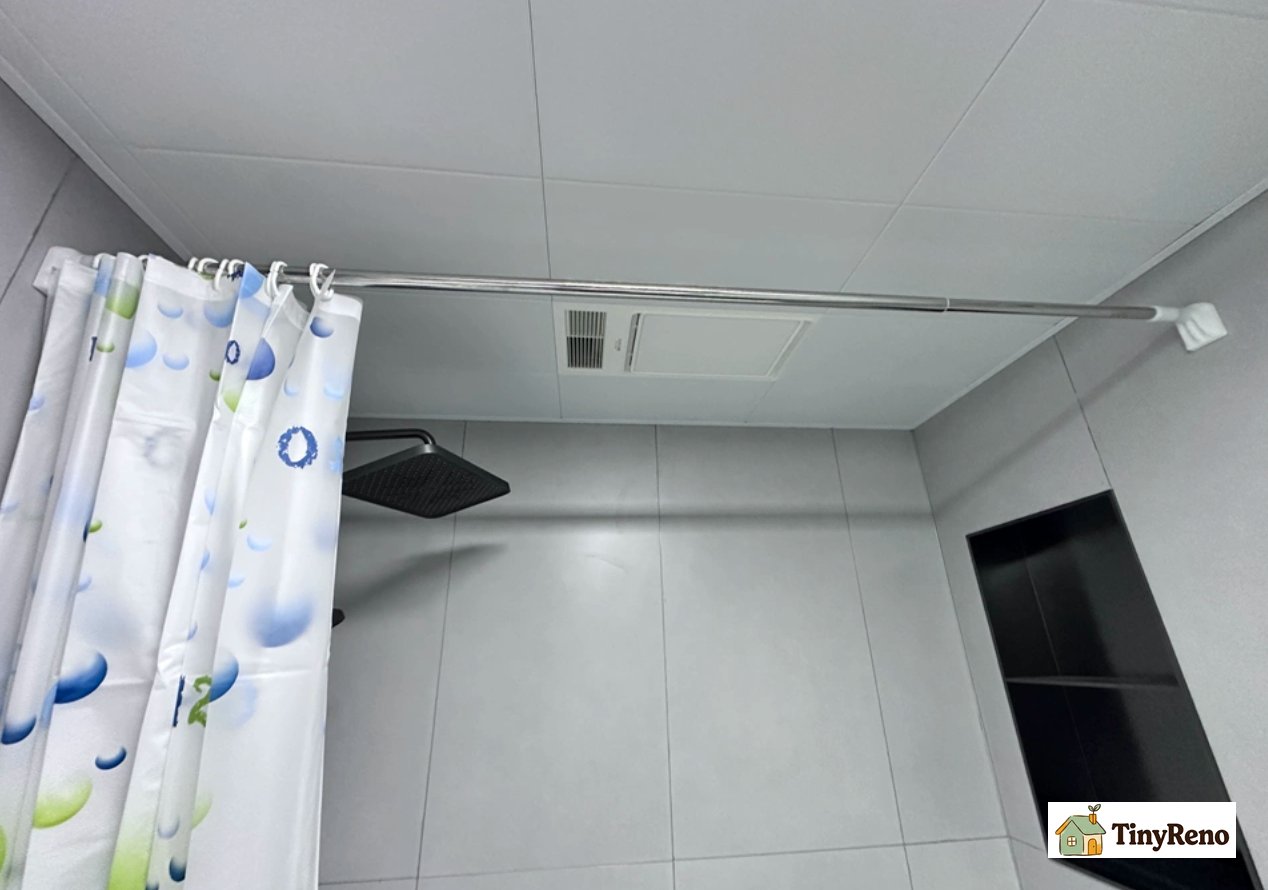
Spring tension mount brackets look like real curtain rod brackets but they mount to the window frame using a spring-loaded mechanism instead of screws. They hold the rod at proper bracket height, look like a professional install, and come off without tools when you move out. The weight limit is around 10 pounds per bracket, which covers most curtain setups. The downside is that spring tension brackets only work on window frames with a flat top surface at least 1 inch deep, and they can leave a faint compression mark on the frame if left in place for more than a year. For long-term rentals, slide the brackets a quarter inch every six months to avoid a permanent mark.
6. Ceiling-Mounted Tension Pole (for Floor-to-Ceiling Windows)
If your apartment has a floor-to-ceiling window or a very tall window with no available wall space above the frame, a ceiling-mounted tension pole works in the same way a regular tension rod does, but vertical. The pole sits between the ceiling and the floor with spring pressure holding it in place. You then hang a curtain rod horizontally from the pole at window height. This setup looks dramatic and holds heavy curtains well, but it requires a perfectly flat ceiling. Any ceiling texture will let the pole slip, so this only works in modern apartments with smooth ceilings. The pole itself is removable without trace, and the rod can be unscrewed from the pole at move-out.
7. The Tension Rod with a No-Drill Bracket Hybrid (the Real Fix for Heavy Curtains)
Before we dive into the hybrid method, a critical note on rod length: any tension rod longer than 60 inches will eventually sag under its own weight, even if you hang nothing on it. For wide windows, you need a center support bracket (adhesive or tension) regardless of your curtain weight. I learned this the hard way when my 72-inch rod bowed like a banana after a week, pulling the end brackets right off the wall.
If your curtains are too heavy for a pure tension rod but you do not want to commit to adhesive brackets, the hybrid method is to use one adhesive bracket on each side of the window plus a tension rod resting in the brackets. The adhesive brackets carry the vertical weight, the tension rod handles the horizontal stability, and the curtains hang from the rod as if it were a regular install. The weight limit jumps to about 15 pounds per side, which covers most blackout and layered curtain setups. The move-out is the same as method 2, and the test-in-hidden-spot rule applies.
What Will Fail at 3 AM (and Why)
There are three failure modes I have personally experienced with curtain rod installs in apartments, and they all happen at the worst possible time. The first is the tension rod on a dusty or textured wall. The rubber pads lose grip slowly over a week or two, and the rod creeps down until something finally gives way. The fix is to wipe both surfaces with rubbing alcohol before install and to recheck after the first week. The second is the adhesive bracket on unprimed or aged paint. The adhesive holds for a few weeks, then the paint starts to lift around the edges of the pad, and the whole bracket comes down with a curtain attached. The fix is to test the adhesive in a hidden spot for at least a week before committing to the visible install. The third is the tension rod overloaded with heavy curtains. The spring compresses, the rod shortens, and the whole assembly slides down the wall in one smooth motion. The fix is to respect the weight limit and to upgrade to method 7 if you have heavy curtains.
The Honest Downsides of Every Method
Every method above has a trade-off that nobody tells you until you have lived with it. Tension rods will leave a faint gray compression rectangle on the wall if left in the same spot for six months or more, and the mark comes off with a Magic Eraser or dish soap. Adhesive brackets can lift paint on aged walls, and the damage is harder to repair than a nail hole. Command Strip hooks can slide horizontally over time, so the curtains end up drifting to one side. Spring tension brackets need a flat frame surface to grip properly, which most modern windows have but some older ones do not. Ceiling-mounted poles need a flat ceiling. The hybrid method combines the trade-offs of two methods, which means double the things to install and double the things to clean up at move-out. None of these trade-offs are deal-breakers, but knowing them up front saves you from the 3 AM failure mode described above.
The Move-Out Checklist for Renter Curtain Rods
Here is the 30-second move-out checklist that has saved me several hundred dollars in deposit deductions across six rentals. For tension rods, compress one end and slide the rod out, then wipe the wall and the rubber pads with a damp microfiber cloth. For adhesive brackets, heat each pad with a hair dryer for 30 seconds, then pull the tab straight down slowly. For Command Strip hooks, heat the strip with a hair dryer and pull the tab straight down. For spring tension brackets, release the spring mechanism and lift the bracket off. For ceiling poles, compress the pole and slide it out. After everything is off the wall, wipe each spot with a Magic Eraser or a damp cloth with a tiny bit of dish soap. The wall underneath should look like nothing was ever there. That is the trade you make for not drilling.
Bottom Line: What I Wish I Knew Before My First Apartment Curtain
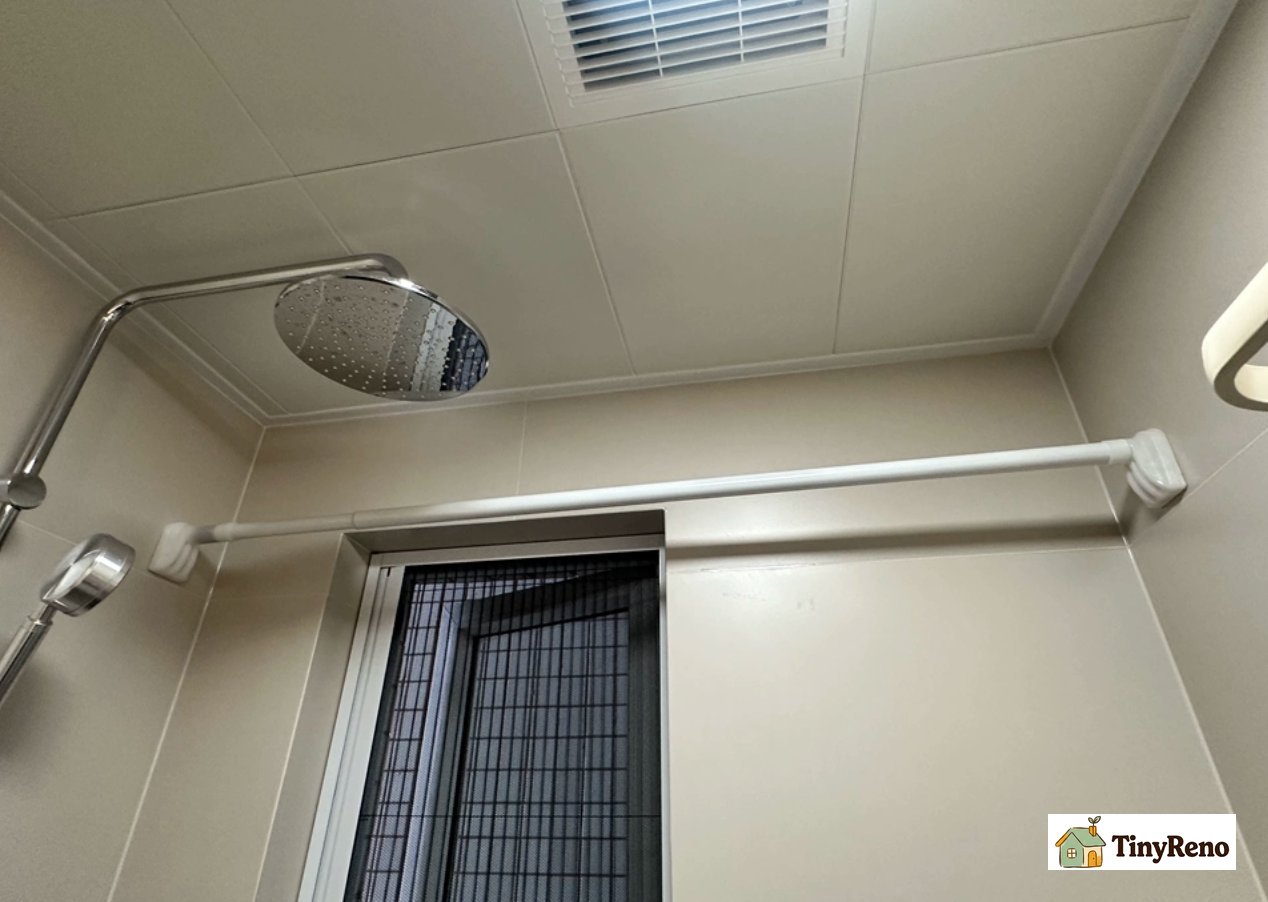
How to hang curtain rods in an apartment comes down to two decisions: how much do your curtains weigh, and how flat is your wall surface. For light curtains on flat walls, a tension rod is the answer. For heavier curtains or wider windows, an adhesive bracket or the hybrid method is the answer. For any surface that is not flat, you are looking at either the hybrid method or the move to a real drill-and-anchor install, which is a different conversation. Buy two tension rods and one set of adhesive brackets at the start of every lease. You will use the tension rods for the bathroom and a closet, and you will use the adhesive brackets for the window curtains. With those three tools in your moving box, no future landlord will ever send you a curtain rod repair bill.


Discussion (0)
Sign in to join the discussion