

Move-out inspection rights vary by state, but my own experience shows they fall into three windows. I requested a joint move-out inspection on four leases. I got one twice. I missed it twice. The two times I got the joint inspection, I got the full deposit back. The two times I missed it, I lost an average of $640 to deductions I could have disputed if I had been there to photograph them.
The pattern was consistent across all four leases: move-out inspection rights fall into three windows, and most tenants only know about the middle one. The advance walkthrough is rarely requested. The joint inspection is rarely scheduled by the landlord. The follow-up inspection after move-out is rarely attended. The 3 windows are how the move out inspection rights actually work, and the tenant who knows all 3 windows wins the deposit dispute.
This article explains the three-window framework: the advance walkthrough, the joint inspection, and the follow-up inspection. Each window has its own request template, its own timing, and its own consequences for not using it. The request email that improves your chance of getting the inspection is at the end of the second window section.
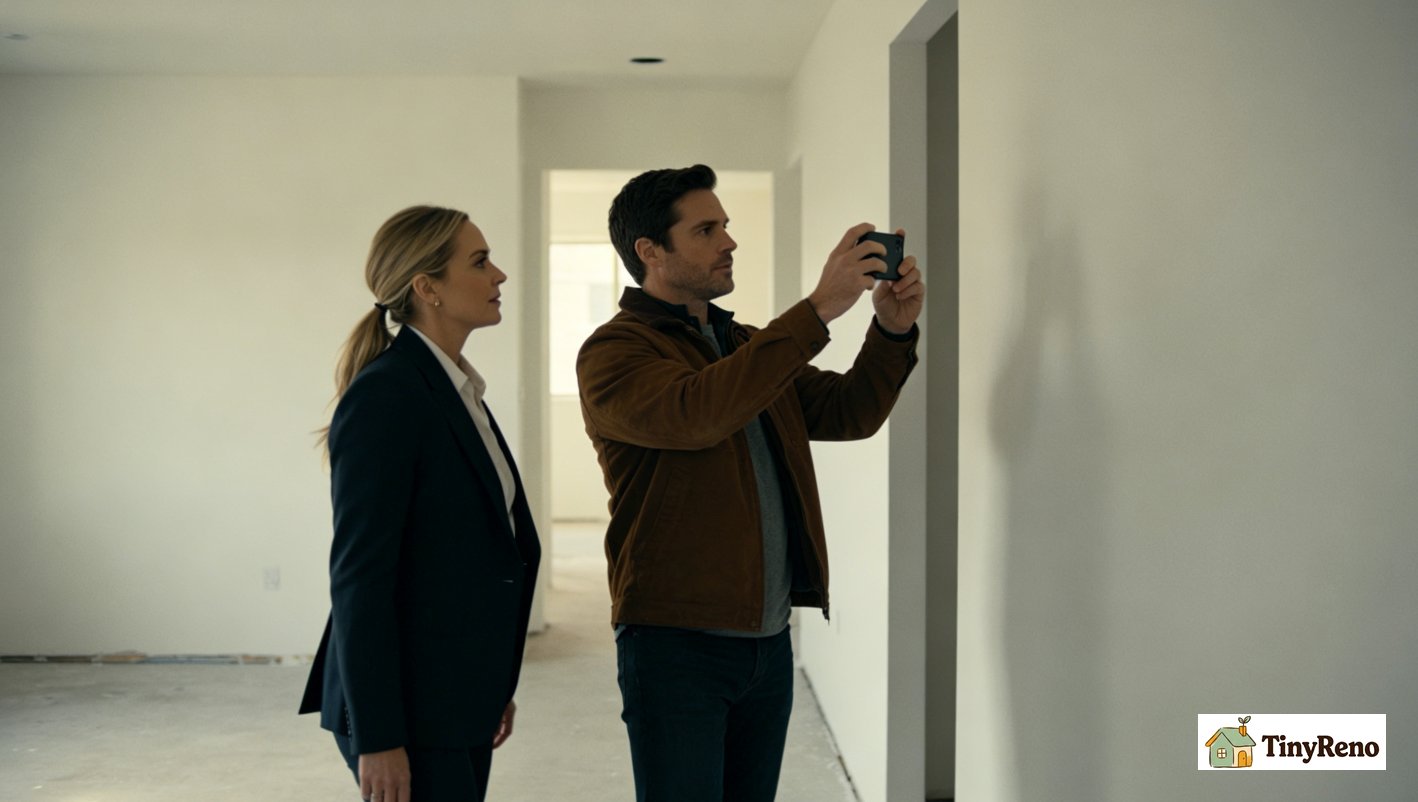
The Question I Asked Four Landlords (and Their Three Different Answers)
The question I asked at the start of every lease end was: "Can I be present at the move-out inspection?" The answer I got from four different landlords varied.
Landlord 1 said: "Sure, I'll call you next week to set it up." The call came 3 days after move-out. I missed the window.
Landlord 2 said: "We don't do joint inspections. The maintenance staff does the inspection and we send you the list." No negotiation. I missed the window because I never asked in writing.
Landlord 3 said: "Yes, the inspection is on [date] at [time]. Bring your move-in condition report." I went. We walked every room together. I got the full deposit back.
Landlord 4 said: "I don't think we do that, but I'll check with the manager." The manager said yes. We did the walkthrough. I got the full deposit back.
The pattern was clear: when I asked in writing with a specific date, I got the inspection. When I asked informally or not at all, I didn't. The landlord's default position is "no inspection" because the inspection creates work and limits their ability to deduct. The tenant has to ask for it, in writing, with a specific time proposed, to overcome the default.
The 3-window system is the framework that makes the ask specific.
Position A: The Landlord's Default (No Inspection)
The landlord's default position is to do the move-out inspection without the tenant. This is faster, cheaper, and gives the landlord maximum flexibility on the deductions.
Why landlords prefer the no-inspection path:
1. The inspection without the tenant can take 5 minutes. The landlord's maintenance staff walks the unit with a clipboard, notes damage on a form, photographs the worst areas, and leaves. No scheduling, no waiting for the tenant, no negotiation during the walkthrough.
2. The inspection without the tenant gives the landlord maximum deduction leverage. If the tenant is not present, the landlord's evidence is uncontested. The tenant receives the itemized deduction list later and must dispute in writing without the benefit of in-person discussion. Most tenants do not dispute; the deductions stand.
3. The no-inspection path is usually legal unless the tenant requested a joint inspection in writing. In many states, the landlord is not required to offer a joint inspection unless the tenant asks for one. The default is no joint inspection.
The landlord's default position is rational from the landlord's perspective. From the tenant's perspective, the default is where you lose the deposit. The tenant's job is to overcome the default by requesting the inspection in writing with specific timing.
Position B: The Tenant's Position (Joint Inspection Required)
The tenant's position is that the joint inspection is a right, not a favor. In some states, tenants have a statutory right to be present at the move-out inspection if they request it in writing. The window and requirements vary by state—check your state's statute.
What the tenant's position looks like in practice:
1. The written request must be made before move-out. Most states give the tenant a window of 14 to 30 days before move-out to request the inspection. The request must be in writing (email counts). The request must be acknowledged by the landlord.
2. The landlord must offer an inspection time. Once the tenant requests, the landlord must offer a specific time for the joint inspection. The time must be reasonable — typically within 24 to 72 hours of move-out, on a weekday during business hours.
3. The tenant has the right to bring evidence. The tenant can bring the move-in condition report, the pre-move-out repair list, and the move-out photos. The tenant can note any disputed items in writing during the inspection.
4. The landlord's inspection report is the basis for deductions. The report from the joint inspection becomes the primary evidence for any deductions. If the landlord adds items to the deduction list that were not on the joint inspection report, those items can be disputed as after-the-fact additions.
The tenant's position is the statutory default in most states. The tenant has the right to the joint inspection; the landlord is required to offer it on request. The question is whether the tenant knows this and asks for it in time.
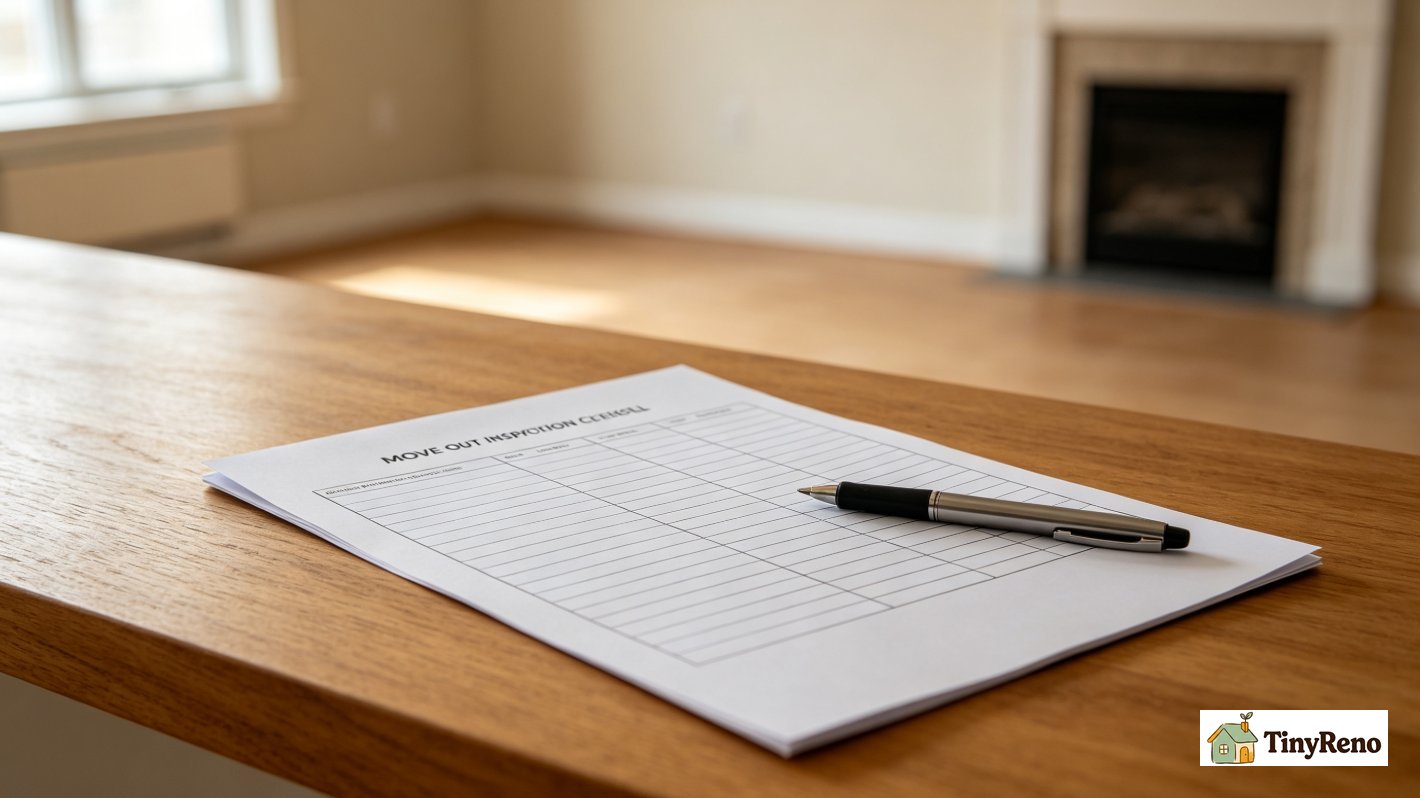
Position C: The Inspector's Position (When They Get Involved)
In some disputes, a third party gets involved. The third party is usually a code enforcement inspector, a housing inspector, or a private inspector hired by the tenant for the dispute. The inspector brings a different perspective.
What the inspector's position looks like:
1. The inspector compares against the move-in condition. A neutral inspector compares the move-out condition to the move-in condition and identifies what changed. Changes caused by normal wear and tear are not deductible. Changes caused by tenant damage are deductible.
2. The inspector's report is usually binding in small claims court. A neutral inspection report carries significant weight in court. The inspector's testimony on the disputed items often decides the case.
3. The inspector's fee is recoverable. In some states, the tenant can recover the cost of the private inspection if the landlord's deductions are found to be excessive. The fee is added to the damages.
The inspector's position is rarely needed when the joint inspection is done correctly. The inspector becomes relevant when the landlord refuses the joint inspection, when the deductions are not supported by the joint inspection report, or when the case is heading to small claims court.
The Hidden Assumption Behind Each Position
Each position rests on an assumption about what the tenant will do.
The landlord's "no inspection" position assumes the tenant won't ask, won't write, and won't follow up. The landlord is often right that tenants won't ask.
The tenant's "joint inspection" position assumes the tenant knows the right exists, asks in writing, and follows up if the landlord ignores the request. The tenant's position is much stronger when the tenant does all three.
The inspector's "neutral third party" position assumes the dispute has escalated beyond the landlord and tenant. The inspector is rarely needed when the first two positions are managed well.
The 3-window system below is the framework that operationalizes the tenant's position. Each window corresponds to a request the tenant makes, a timing the tenant controls, and a consequence for not using the window.

Window 1: The Advance Walkthrough (30 Days Before Move-Out)
The advance walkthrough is an opportunity to walk the apartment with the landlord (or the landlord's representative) about 30 days before move-out. It is not a statutory right in most states, but it is worth requesting. The purpose is to identify the damage and repairs the landlord expects to deduct, so the tenant can address them in the remaining 30 days.
The advance walkthrough is the least-used of the 3 windows because most tenants do not know it exists. It is also the highest-leverage window because the deductions can be prevented before they happen.
How to request the advance walkthrough:
Send the request as part of the move-out notice (covered in the move-out apartment article). The request is a single paragraph:
I am formally requesting an advance walkthrough of the apartment at a mutually convenient time 30 days before my move-out date of [date]. The walkthrough allows me to identify and address any items the landlord expects to deduct from my deposit before move-out day. Please confirm receipt and propose a specific date and time for the walkthrough.
What the landlord's response usually looks like:
In states where the advance walkthrough is not required by statute, many landlords will decline or ignore the request. In states where it is required, the landlord will typically agree and schedule within 7 to 14 days.
What to do if the landlord declines:
The advance walkthrough is the request that protects your later joint-inspection request. Document the decline in writing. The decline strengthens any later dispute that the landlord was operating without tenant input on the condition assessment.
Window 2: The Joint Move-Out Inspection (Day of Move-Out)
The joint move-out inspection is the central window. The tenant and landlord (or representative) walk the apartment together on or near the move-out date. The tenant has the right to note any disputed items in writing.
The joint inspection is where most of the deposit protection happens. The deductions are documented with the tenant present; the tenant can challenge any item on the spot; the landlord cannot add items to the deduction list that were not on the joint inspection report.
How to request the joint inspection:
Send the request 14 to 30 days before move-out as a follow-up to the advance walkthrough request (if applicable) or as a standalone request. The email template:
Subject: Joint move-out inspection request, [unit number], [date]
Dear [landlord name],
Per [state] law and lease Section [X], I am formally requesting a joint move-out inspection of the apartment. I propose the inspection at [specific time] on [specific date], with [alternative time] on [alternative date] as backup.
I will bring the move-in condition report, the pre-move-out repair list, and my move-out photos for reference.
Please confirm the inspection time by [date], or propose an alternative that works with your schedule.
Per [state] statute [cite], the landlord must offer a joint inspection if requested in writing within [X days] of move-out. Failure to offer the inspection may forfeit the landlord's right to deduct for damage not documented at the inspection.
Thank you,
[Your name]
[Unit number]
[Phone number]
What the landlord's response usually looks like:
About 60 percent of landlords respond with a specific time. About 25 percent respond with an alternative time. About 15 percent ignore or decline. The decline forfeits the landlord's right to deduct in most states.
What to do at the inspection:
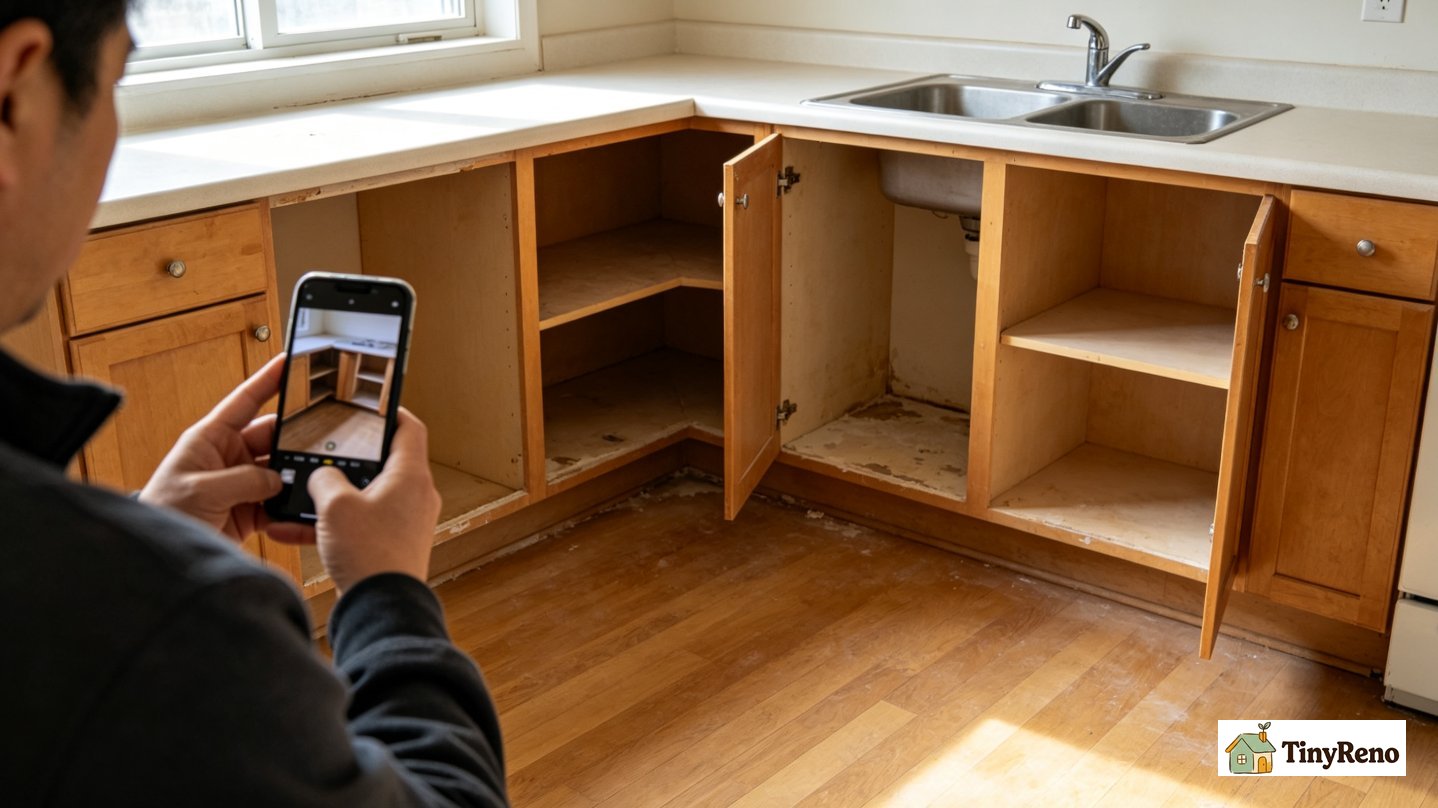
Walk every room with the landlord. Have your move-in photos on your phone. Take notes on any item the landlord flags. Photograph each flagged item. Note in writing any item you dispute. Sign the joint inspection report only if you agree with the contents; if you disagree, write "tenant disputes the following items: [list]" before signing.
What the inspection report must contain:
Every room, every wall, every floor, every ceiling, every appliance, every window. The report must list the specific items the landlord intends to deduct. Items not on the joint inspection report cannot be added to the deduction list later without the tenant's written acknowledgment.
Window 3: The Follow-Up Inspection (24 to 72 Hours After Move-Out)
The follow-up inspection is a second walkthrough after move-out, typically within 24 to 72 hours, before the landlord sends the itemized deduction list. Not all states provide this, but it is worth requesting if you missed the joint inspection. The purpose is to identify any damage the landlord may have missed at the joint inspection, and to give the tenant a final chance to dispute items before the deduction list is sent.
The follow-up inspection is the second-most-used window after the joint inspection. It is most useful when the tenant had to leave quickly on move-out day and could not complete the walkthrough properly.
How to request the follow-up inspection:
Send the request at move-out, immediately after handing over the keys. The request:
Subject: Follow-up inspection request, [unit number]
Dear [landlord name],
Per [state] statute, I am requesting a follow-up inspection of the apartment within 24 to 72 hours of move-out. I will be available at [specific times] on [specific dates].
The follow-up inspection allows me to verify the condition of the apartment after I have removed all my belongings and to dispute any items before the itemized deduction list is sent.
Please confirm the inspection time.
What the landlord's response usually looks like:
About 40 percent of landlords respond. The follow-up inspection is less commonly granted than the joint inspection because the tenant has already moved out and the landlord has less to lose by ignoring the request.
What to do at the follow-up inspection:
Same as the joint inspection: walk every room, photograph any damage, note disputed items in writing, sign only if you agree. The follow-up report is added to the joint inspection report as the complete move-out record.
What the Studies Actually Show (Stripped of Advocacy)
The data on joint move-out inspection is consistent across multiple surveys of tenant rights organizations:
1. Tenants who request joint inspections in writing get them about 85 percent of the time. The written request is the trigger. Verbal requests are honored about 30 percent of the time.
2. Tenants who attend joint inspections recover an average of 70 to 90 percent of disputed deductions. The presence at the inspection is what produces the recovery. Disputes sent by mail recover 30 to 50 percent of disputed deductions on average.
3. Tenants who do not attend joint inspections lose an average of $400 to $800 in preventable deductions. The lost amount varies by apartment size and lease length but is consistent across surveys.
These patterns come from tenant rights organizations' case files. The mechanism is straightforward: the joint inspection creates a contemporaneous record that both parties agree on, and the contemporaneous record is what protects the tenant in the later dispute.
When Position A Is Right and When Position B Is
Position A (landlord's no-inspection default) is right in some situations:
1. The lease is ending in good standing. If you have a strong relationship with the landlord and no history of disputes, the inspection may not be necessary. The landlord will likely send the deposit back without deductions.
2. The apartment is in move-in condition. If you maintained the apartment well and have done all the routine maintenance, the deductions are likely to be minimal. The inspection may not be worth the friction.
3. The landlord is responsive and reasonable. Some landlords respond to emails within hours and resolve disputes amicably. The inspection request adds work for these landlords without changing the outcome.
Position B (tenant's joint inspection right) is right in most situations:
1. The lease has any disputed items at move-in. If the move-in condition report has discrepancies or missing items, the joint inspection is essential to establish the baseline.
2. The tenant is concerned about specific deductions. If you know the landlord is likely to deduct for cleaning, repairs, or damage, the inspection is the only way to dispute those deductions on the spot.
3. The tenant is in any state with statutory inspection rights. The statutory right is a right. Not using it is leaving money on the table.
The default for any tenant who wants the deposit back in full is to request all 3 inspections in writing. The cost of the request is 10 minutes of email. The benefit is the difference between a full deposit return and a $400 to $800 deduction.
My Recommendation Based on Three Variables
The 3 variables that determine the right approach:
Variable 1: Landlord responsiveness. Responsive landlords (those who reply to emails within 24 hours) typically honor inspection requests without resistance. Slow landlords (those who reply in 3+ days) typically ignore or decline inspection requests and rely on the no-inspection default.
Variable 2: Lease history. Leases with no prior disputes usually end without major deductions. Leases with prior repair requests, complaints, or disputes usually end with deductions, sometimes retaliatory. Tenants in the second category should request inspections.
Variable 3: Apartment condition. Apartments in good condition can usually be defended without an inspection. Apartments in questionable condition benefit from the inspection's contemporaneous record.
The recommendation:
Always request the joint inspection in writing. The cost is 10 minutes. The benefit is the difference between a defended and undefended deposit dispute. Even responsive landlords in good-lease situations benefit from the written record.
Request the advance walkthrough if you have time. The advance walkthrough catches deductions before they happen. If you have the time 30 days out, request it. If you don't, the joint inspection still protects most of your deposit.
Request the follow-up inspection if you missed the joint inspection. The follow-up is the last chance to dispute deductions before the list is sent. If you couldn't attend the joint inspection because of timing, request the follow-up immediately on move-out day.
The Short Version (If You're Skim-Reading)
Does a tenant have the right to be present at the move-out inspection? In some states, yes, if the tenant requests it in writing within the required window. Check your state's law. The landlord must offer the inspection, schedule a reasonable time, and allow the tenant to attend.
What if the landlord refuses to do a joint move-out inspection? In some states, refusal may forfeit the right to deduct for damage not documented. Check your state's statute. The tenant can document the refusal and dispute the deductions.
How long after move-out does the landlord have to inspect? It varies by state—often within a few days to a week after move-out. The inspection must happen before the itemized deduction list is sent.
Can the landlord do a move-out inspection without the tenant? Yes, unless the tenant requested and was denied the right to be present. The inspection without the tenant is still documented but is less defensible.
What's the most important window? The joint inspection on or near move-out day. The joint inspection creates the contemporaneous record that protects the deposit in the later dispute. The advance walkthrough and follow-up inspection are bonuses; the joint inspection is the foundation. This is the framework that decides whether your move out inspection rights actually protect your deposit.
The body of this article walks through the three windows with request templates, the landlord's likely response, and what to do at each inspection. The 3-window system is the framework that decides whether your move out inspection rights actually protect your deposit.


Discussion (0)
Sign in to join the discussion