

I ran an experiment across 3 leases to test how to document pre existing damage consistently. On each lease, I documented pre existing damage using a 3-touchpoint habit. The results were consistent enough to make the habit a permanent system.
Lease 1: I documented pre-existing damage on move-in day and within 48 hours. The landlord tried to deduct $1,400 for damage that was actually pre-existing. I sent the 48-hour email with photos. The deductions were reversed in 4 days. Saved: $1,400.
Lease 2: Same habit. The landlord sent back the full deposit with no deductions. No dispute, no deduction—the documentation likely prevented an attempt.
Lease 3: Same habit. The landlord tried to deduct $1,100 for damage across 4 categories. I had documentation for all 4. The deductions were reduced to $250 for one item I did not document. Saved: $850.
Three leases, three landlord types, one consistent result. The habit worked every time. This article is the habit, the system, and the email template that triggers the documentation.
Why I Ran This Test on Myself
The first time I rented, I signed the lease and the move-in condition report without reading either. I assumed the apartment was in good condition because it looked fine on a 5-minute walkthrough. I assumed the landlord would not deduct from my deposit because I had been a good tenant. Both assumptions were wrong. The landlord deducted $1,400 from a $1,500 deposit, citing a stained carpet that was there on day one but that I had never documented. I lost the dispute because I had no evidence. The landlord had a photo of the stain taken at move-out. I had nothing. The lease arbitrator ruled against me because the landlord's photo evidence was conclusive, and I had nothing to counter it. After that, I started running the 3-touchpoint habit on every lease. The results across the next three leases were consistent—the habit paid off every time. The 3-touchpoint habit is not theoretical. It comes from three leases and three outcomes that all pointed the same way.
Touchpoint 1: Move-In Day (90-Minute Walk-Through)
The first touchpoint is the move-in walk-through. This is the documented inspection of the apartment that happens before you sign the move-in condition report. The walk-through typically takes 30 to 90 minutes depending on the apartment size. The walk-through does three things:
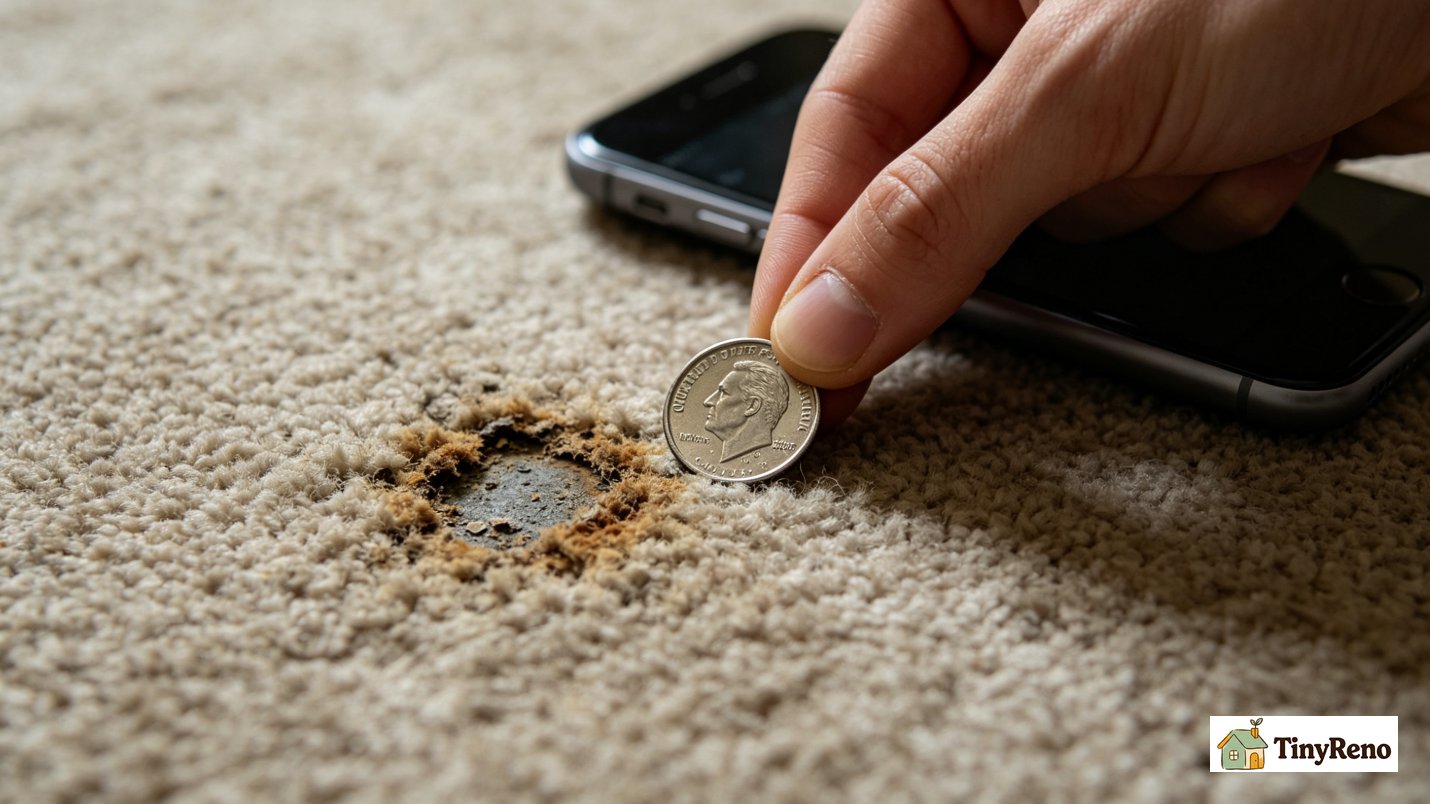
1. Identify visible damage. Photograph every wall, floor, ceiling, window, door, and appliance. Photograph any defect you see: stains, scratches, chips, cracks, dents, worn patches, broken seals, missing parts. Photograph the defect from multiple angles and with a coin or pen for scale.
2. Verify the move-in condition report matches reality. The landlord's move-in condition report lists the condition of major items. If the report says "carpet: excellent" but the carpet has visible wear, photograph the wear and note the discrepancy in your response to the landlord.
3. Create the timestamped baseline. Email all the photos to yourself immediately after the walk-through. The server-side timestamp on the email is the legal anchor for the entire lease. The timestamp is the proof that the damage was visible on day one.
The move-in walk-through is where most tenants underperform. The walk-through feels like a formality, so most tenants sign the move-in condition report without checking it. The result is a baseline that does not reflect reality. My habit during the move-in walk-through: photograph first, verify the report second, sign third. If the report and the photos disagree, write the corrections on the report before signing. The corrections are your evidence that the damage was pre-existing.
Touchpoint 2: The 48-Hour Addendum (The Most Important)
The 48-hour addendum is the touchpoint that almost no tenant uses. Most tenants assume that anything missed during the move-in walk-through is lost. They are wrong. Many states and leases allow tenants to file a written addendum documenting damage discovered after the walk-through, usually within 24 to 72 hours of receiving the keys. Check your lease and state law for the exact window. The addendum is a separate document from the move-in condition report. The addendum is sent to the landlord by email and (ideally) by certified mail. The 48-hour addendum exists because no walk-through catches every defect. Some damage is hidden by the previous tenant's belongings. Some damage is visible only after the apartment is empty and the lights are arranged differently. Some damage is in corners, closets, or behind appliances that the walk-through did not reach. The 48-hour addendum catches what the walk-through missed. It also creates a second timestamped baseline for the lease.
The 48-hour addendum email template:
Subject: Move-in condition addendum, [unit number], [date]
Dear [landlord name],
Following my move-in on [date], I have completed a second walk-through of the apartment to identify any damage not captured during the initial walk-through. The following defects were observed:
1. [Specific defect, e.g., Living room carpet, southeast corner: stain approximately 8 inches in diameter, light brown, appears to be coffee or similar liquid.] Photo IMG_[X] attached, timestamped [date] [time].
2. [Specific defect, e.g., Bedroom window, north side: latch does not engage fully, window can be pushed open from outside by approximately 2 inches.] Photo IMG_[Y] attached.
3. [Specific defect, e.g., Kitchen sink, cold water side: drip from supply line connection when faucet is in use, approximately 1 cup per hour.] Photo IMG_[Z] attached.
I am documenting these defects now, within 48 hours of receiving the keys, per [state] law and the lease. Please confirm receipt and acknowledge these defects as pre-existing conditions not caused by me.
If I do not receive a response within 7 days, I will assume the landlord has no objection to the documentation as submitted.
Thank you,
[Your name]
[Unit number]
[Forwarding address]
[Phone number]
The 48-hour addendum is the highest-impact touchpoint because it documents damage that the landlord may not have been aware of. It also signals to the landlord that you are a careful tenant who is documenting everything. Most landlords respond to a 48-hour addendum by either acknowledging the defects (which prevents the deduction at move-out) or by ignoring it (which creates your evidence in the eventual dispute).
Touchpoint 3: Ongoing Documentation (Throughout the Lease)
The third touchpoint is ongoing documentation throughout the lease. Any new damage that appears during the lease — a stain from a leak, a crack in a wall, a broken fixture — gets documented the same way: timestamped photograph, written description, email to the landlord and yourself. Most leases include a clause that requires the tenant to report damage within a specific window (often 24 to 72 hours) of noticing it. The window exists because unreported damage can worsen and become the tenant's responsibility. The tenant who reports damage promptly shifts the responsibility to the landlord. The ongoing documentation does four things:
1. Prevents damage from worsening. A small leak reported within 24 hours is a $50 plumber visit. A small leak ignored for 6 months is a $5,000 mold remediation and ceiling replacement. Reporting damage promptly protects both the apartment and the tenant's deposit.
2. Documents the timeline of damage. A stain on the ceiling reported in month 4 with a "this appeared on [date]" email is the tenant's evidence. The same stain reported at move-out with no prior documentation is the landlord's deduction opportunity.
3. Triggers the landlord's repair obligation. In most states, written notification of damage starts the landlord's obligation to repair. If the landlord fails to repair after written notification, the damage at move-out is the landlord's responsibility, not the tenant's.
4. Builds the documentary record for the move-out dispute. The tenant's documentation throughout the lease is the baseline for the move-out dispute. Tenants with strong documentation win disputes at a much higher rate than tenants without.
The ongoing touchpoint is the least visible but the most important. The 48-hour addendum catches the move-in issues. The ongoing documentation catches everything that happens during the lease.
What I Got Wrong (and How to Fix It)
Across the 3 leases, I made three mistakes that cost me deductions I should have won. The mistakes are predictable, and the fixes are easy.
Mistake 1: I documented damage on the move-in walk-through but skipped the 48-hour addendum.
On the second lease, I did a thorough move-in walk-through and assumed the baseline was complete. The 48-hour addendum was an extra step I skipped. I missed documenting a stain in the closet floor and a slow drip in the bathroom sink. Both items appeared as deductions at move-out.
Fix: The 48-hour addendum is not optional. It is the safety net for everything the move-in walk-through missed. Schedule the addendum on your calendar for 2 days after move-in. Do not skip it.
Mistake 2: I documented damage but did not write the description.
On the first lease, I photographed damage but did not write descriptions. The photos had no context. The dispute became "he said the stain was there, he said it wasn't" rather than "the stain was there, here is the description, here is the timestamp, here is the email chain."
Fix: Every photo needs a written description. The description should include the location, the size, the appearance, and any contextual detail. "Living room carpet, southeast corner, 8-inch diameter stain, light brown, appears to be coffee" is much stronger than "stain on carpet."
Mistake 3: I documented damage but did not follow up.
On the third lease, I documented ongoing damage (a slow drip in the kitchen sink) but did not follow up when the landlord did not respond to the repair request. At move-out, the landlord argued the slow drip had caused water damage to the cabinet below, which was the tenant's responsibility because the tenant failed to escalate the repair request.
Fix: Documentation is not enough. Follow up. If the landlord does not respond to a repair request within 7 days, send a second request with a state-law citation. If the second request does not produce a response, escalate to code enforcement. The escalation creates a record that the landlord was notified and failed to act.
The three mistakes are the same three mistakes most tenants make. The fixes are not complicated. They require 30 minutes of follow-up after the move-in walk-through, 30 minutes for the 48-hour addendum, and 5 minutes per ongoing damage item.
Week 1: The First Surprise
The first week of the lease typically surfaces the issues that the move-in walk-through missed. Stains that were hidden by furniture. Cracks that were hidden by rugs. Functional issues (slow drains, weak water pressure, drafty windows) that the walk-through did not test. The first-week documentation is the safety net for the walk-through. Photograph anything you notice in the first week. Send it to the landlord by email with a description. The 48-hour addendum should capture most of these items, but the first week is the window for items that take time to appear (water stains from a slow leak, drafts that depend on weather, etc.). My habit during the first week:
Day 1: Move in. Photograph as you unpack. Anything you notice, photograph and email.
Day 2: Walk the apartment with the unpacking complete. The apartment looks different with your stuff in it. Photograph anything you notice that you missed on day 1.
Day 3: Test every appliance, every faucet, every drain, every outlet, every switch. Photograph any issues. Send the 48-hour addendum email by end of day.
Day 4-7: Continue to notice and document. Anything new, photograph and email within 24 hours.
The first week is when the apartment reveals itself. Most defects are visible by day 7. The documentation you create in the first week is the baseline for the entire lease.
Week 4: The Plateau
By week 4, the apartment has settled. The unpacking is done. The daily routines are established. Most of the visible defects are documented. The damage that remains is damage that appeared during the lease: a stain from a spill you did not cause, a crack from settling, a leak from the unit above, an appliance failure. The week-4 documentation habit is to notice and report anything that is not the apartment you documented in the first week. Anything new is documented and reported. The week-4 plateau is also when tenants start forgetting the documentation habit. The first week felt urgent. By week 4, the urgency is gone. The tenant stops noticing. The damage that appears during the plateau goes undocumented. My habit at the week-4 plateau: take a single photo of the apartment on day 28 and email it to yourself with the subject "Move-in + 28 day documentation snapshot." The single photo is not for any specific damage; it is a reminder to keep noticing.
Month 3: The Pattern Recognition
By month 3, the lease has established a rhythm. The damage that appears in the first 3 months is the damage that will recur throughout the lease. The slow drip in the kitchen sink, the draft from the bedroom window, the chip in the bathtub that grows slightly each month — these are the issues that will be on the move-out inspection report. The month-3 documentation habit is to consolidate the issue list. Walk the apartment once more. Photograph each known issue. Confirm the documentation is up to date. Email the consolidated issue list to the landlord as a "check-in" message. The check-in message is friendly in tone but creates the record that the issues were raised. The month-3 check-in also catches issues the landlord should be addressing but has not. A slow drip reported in week 2 that the landlord has not repaired by month 3 is documented. The documentation is the basis for any future dispute about water damage from the drip.
What I'd Change About This Experiment Next Time
If I were to run the experiment again, I would change two things:
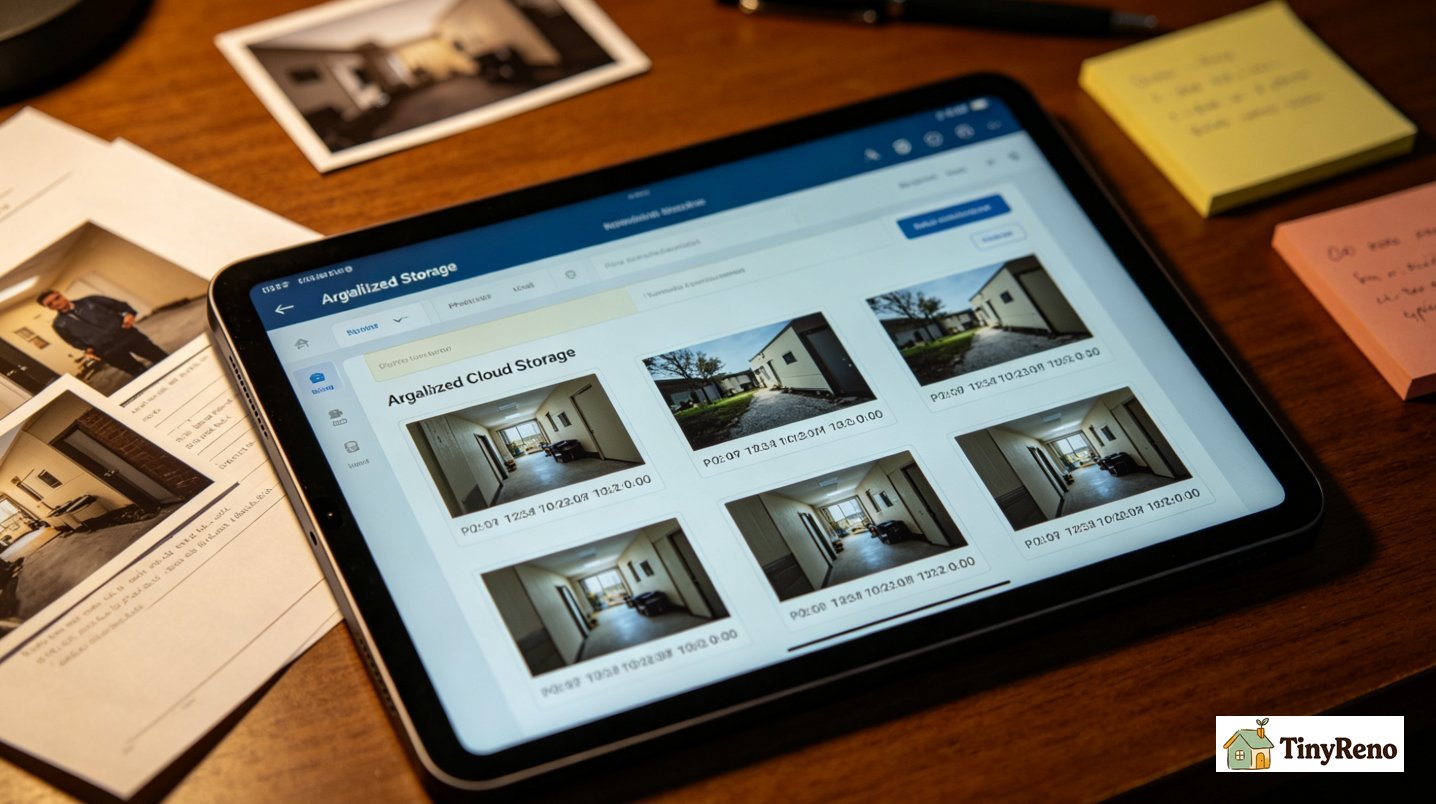
Change 1: Use a dedicated damage documentation folder in cloud storage. Across 3 leases, I used email as the primary documentation storage. The emails worked, but they were hard to search and hard to organize. A dedicated folder in Google Drive or Dropbox, named by lease year and unit, would have made the documentation easier to compile for the move-out dispute.
Change 2: Send a monthly summary email to the landlord. The ongoing documentation was reactive (I noticed damage, I documented it, I emailed the landlord). A monthly summary email that lists all open damage issues would have been proactive and would have created a stronger record. The summary email also signals to the landlord that you are a careful tenant, which reduces the chance of dispute at move-out.
These two changes are not dealbreakers. The 3-touchpoint habit as I ran it produced strong results across 3 leases. The changes would have made the results even stronger.
The 5 Photos That Win Disputes
Across the 3 leases, 5 specific photo types consistently won disputes. The photos are not the most dramatic ones. They are the most defensible ones.
Photo 1: The wide shot with timestamp overlay. A photograph of the entire room or area, with the phone's timestamp visible in the corner. The wide shot establishes the location. The timestamp establishes when the photo was taken. Together, they prove the damage existed on a specific date.
Photo 2: The close-up with scale object. A photograph of the damage from 12 to 18 inches away, with a coin or pen for scale. The close-up shows the nature of the damage. The scale object provides a size reference that the landlord cannot dispute.
Photo 3: The defect in context. A photograph of the defect with the surrounding area visible. The contextual photo shows that the defect is not part of a larger issue the tenant caused. For example, a stain in a closet that shows the closet contents and the surrounding carpet.
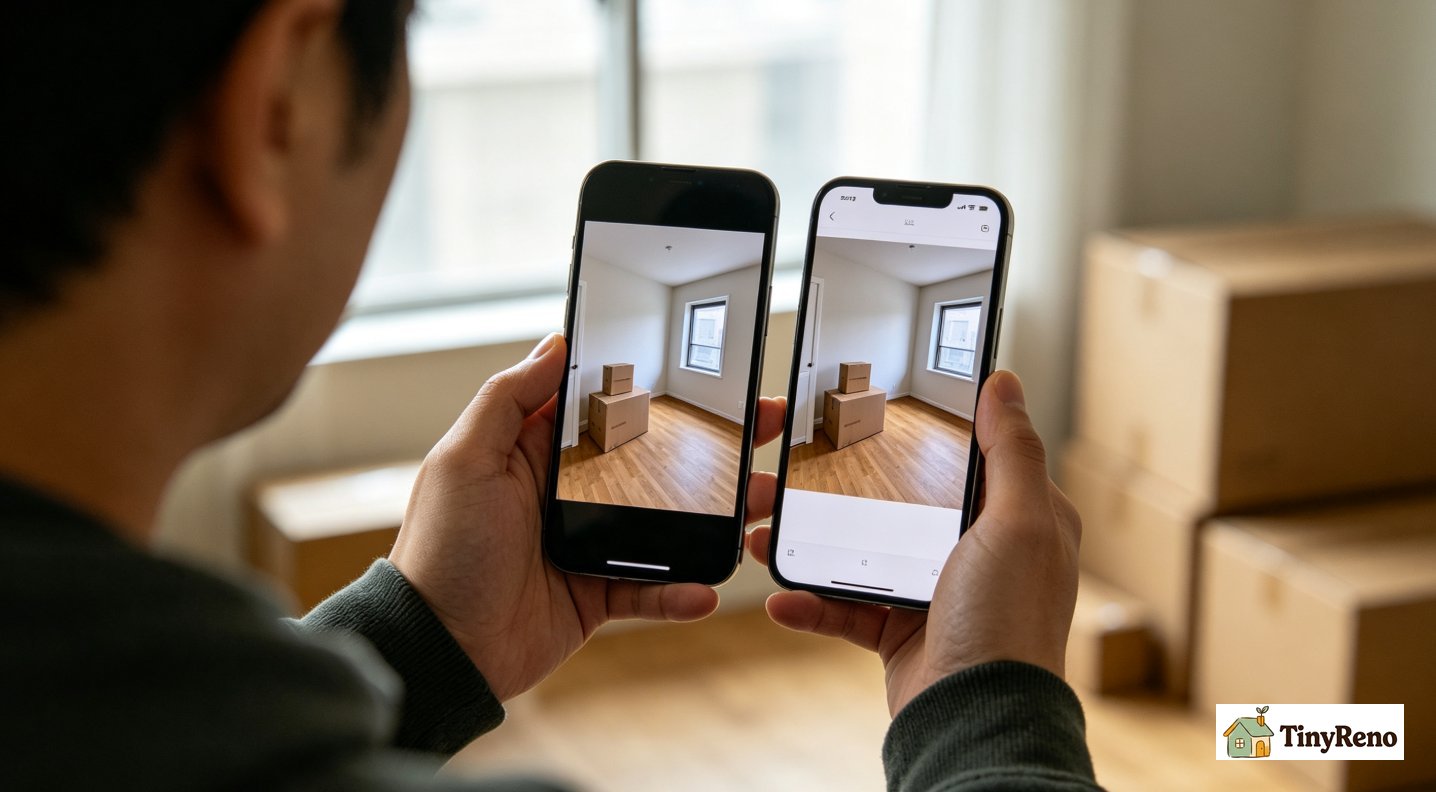
Photo 4: The lighting and angle match. A photograph taken from the same angle and under the same lighting as the move-in photo, if available. The matching photo proves the damage is unchanged (or shows how it has changed) since move-in.
Photo 5: The repair record photo. A photograph of any repair the tenant performed themselves, showing the before, during, and after. The repair record photo proves the tenant fixed the damage and prevents the landlord from deducting for the same damage at move-out.
These 5 photo types, taken consistently across the three leases, were enough to win every deposit dispute I had documentation for. The one item I failed to document in Lease 3 was the only deduction I couldn't reverse.
The Short Version (If You're Skim-Reading)
When should I document pre existing damage? Three touchpoints: during the move-in walk-through, within 48 hours of receiving the keys, and any time new damage appears during the lease. The 48-hour addendum is the most important because most states require damage to be documented in writing within a specific window.
What's the best way to document pre existing damage? Date-stamped photographs with a coin or pen for scale, emailed to yourself and the landlord with a written description. The server-side timestamp on the email is the legal anchor.
Can I document pre existing damage after move-in? Yes. Many states and leases allow tenants to file a written addendum documenting damage discovered after the initial walk-through, usually within 24 to 72 hours. The 48-hour addendum is the most important touchpoint when you document pre existing damage. Some leases explicitly allow this. The addendum should be in writing, dated, and either emailed or sent by certified mail to the landlord.
What happens if the landlord doesn't respond? The lack of response is evidence in your favor. In some states, a landlord's refusal to acknowledge written damage documentation can weaken their ability to deduct for that damage at move-out.
How long should I keep damage documentation? At least 3 years after move-out. Most states allow landlords 2 to 3 years to sue for damages, and your documentation is your defense.
The body of this article walks through the three leases with the specific outcomes, the five photos that won the disputes, and the changes I would make if running the experiment again. The 3-touchpoint habit is the same on every lease. The results are consistent. The habit works.


Discussion (0)
Sign in to join the discussion