

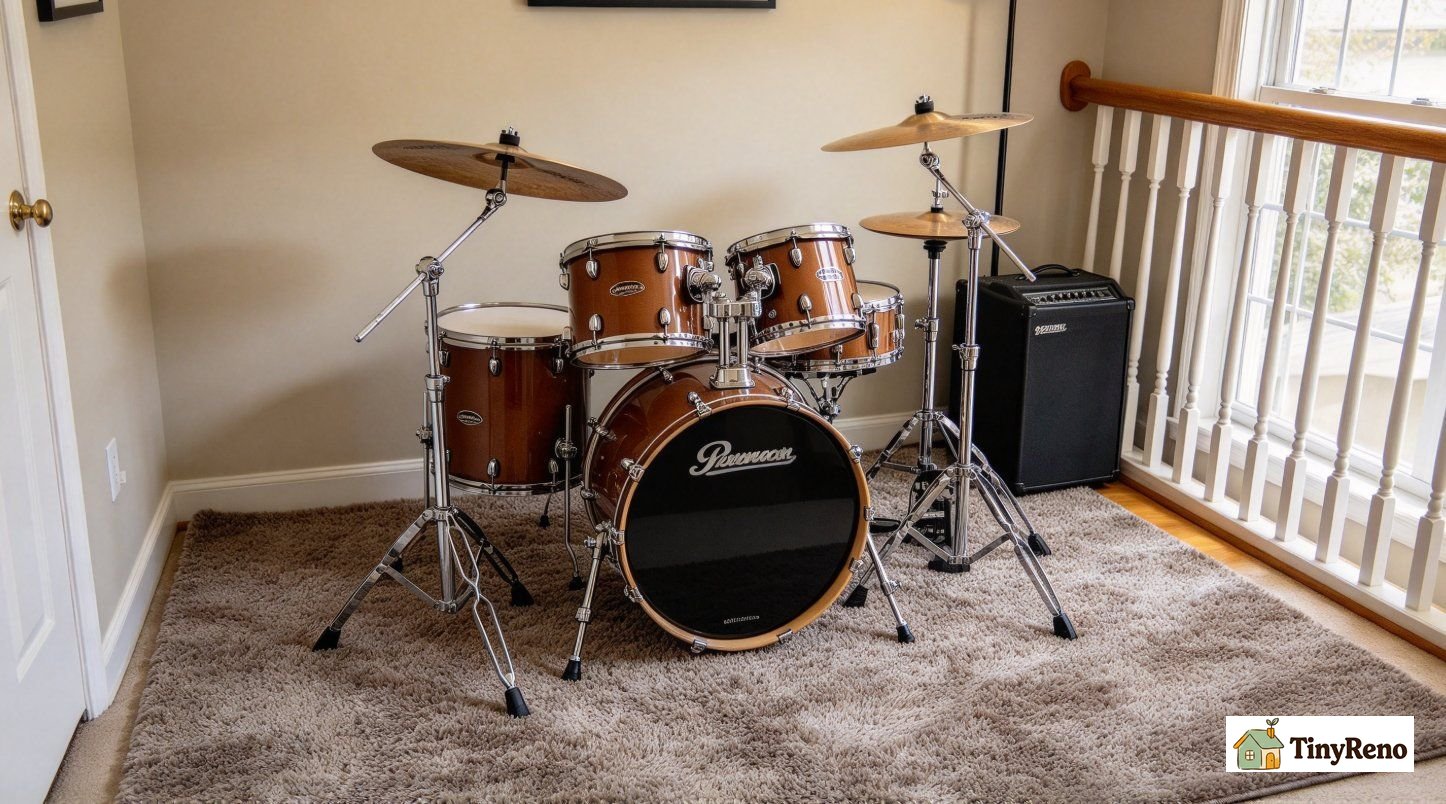
How to write a noise complaint letter to your neighbor is one of those questions most renters do not want to ask because they do not want to be the person who complains. My upstairs neighbor in Brooklyn played drums at 11:47 on a Tuesday night. Not a quick practice. A full kit, with a kick drum, for 90 minutes. I am not a drummer hater. I grew up with a father who played in a garage band. But 11:47 on a Tuesday after a 9-hour workday is not the time. I did not want to call the police. I did not want to start a feud. I wanted to write a noise complaint letter to my neighbor that explained the problem, gave them a path to fix it, and left a paper trail in case it happened again.
The thing about noise complaints is that most people either do nothing for months and then explode in person, or they call the landlord on day one and put the neighbor on the defensive. Neither approach works. The first approach gives the neighbor no chance to fix it before you are furious. The second approach turns a quiet problem into a war. The right approach is to write a noise complaint letter that is calm, specific, dated, and easy to act on. The letter also creates a record that you tried the friendly route first, which matters if you ever need to escalate, the management company, or the local noise ordinance enforcement.
I have written three versions of this letter for three situations. The first is for a one-time or rare problem where you want to keep things friendly. The second is for a recurring problem where you have tried to be the bigger person and it has not worked. The third is for a problem that is now affecting your health, your work, or your lease, where you are about to escalate beyond the neighbor and need to create the paper trail first. Each letter has a specific tone, a specific length, and a specific ask. None of them are designed to shame anyone. All of them are designed to be saved and shown to a judge if it ever gets that far.
Letter One: The Friendly First Notice
The first letter is for the situation where the neighbor probably does not realize they are bothering you. This is the majority of noise cases. The new band practice, the new baby, the new puppy, the new partner who closes their car door at 6:30 in the morning. Most people will fix the problem within a week of being told about it, and most people will be embarrassed they did not notice on their own. The letter is short. It does not name the type of noise. It does not mention the time. It asks to talk.
Dear neighbor, my name is [your name] and I live in apartment [number]. I am writing because over the last few weeks I have been hearing some sounds from your apartment that have been making it hard for me to sleep or work from home. I am not sure if you realize the noise carries between our units, and I wanted to mention it directly before doing anything else. I know building walls are thin, and I wanted to mention it directly before doing anything else. If you have a few minutes in the next week, I would appreciate a quick chat in the hallway or over text. I am happy to work with you on a solution that works for both of us. Thank you, [your name], apartment [number], [phone number], [email].
The friendly letter does three things. It puts the neighbor on notice that you are paying attention. It gives them a face-saving explanation that they did not realize the noise carried. It opens the door to a conversation instead of a confrontation. Most neighbors will reply within a day or two with an apology and a commitment to do better. Most problems end here. The letter itself becomes your record that you tried the friendly route first, which is important if you ever need to escalate.
When I sent this letter to my upstairs neighbor after the drum incident, I got a text within four hours. He apologized. He said he had been rehearsing for a show and had lost track of the time. He offered to move rehearsals to weekends and to put a rug under the kick drum. The problem did not happen again for six months, and when it did, he texted first to ask if a particular date was okay.
Letter Two: The Formal Second Notice
The second letter is for the situation where you sent the friendly letter, the problem continued, and you have decided to give the neighbor one more chance before you escalate to the landlord or the management company. The tone is still polite, but the language is more specific and the document is more formal. You name the type of noise. You name the times. You cite the lease clause or the building rule if there is one. You set a clear deadline. You keep a copy and you do not hand it to the neighbor in person.
Dear neighbor, this is a follow-up to my previous letter dated date. Since that letter, the noise from your apartment has continued. The specific sounds I am hearing are type of noise on days of the week between hours and hours. The frequency has been times per week over the last number of weeks. I am writing this letter because I need a resolution and I need it documented. Our lease agreement, which I have attached a copy of, states that tenants must observe quiet hours between 10pm and 8am and must not create disturbances that interfere with other tenants' use of their apartments. I am asking you to address this within the next 7 days. If the noise continues after date, I will be filing a formal complaint with the management company and the building has a process for handling these situations. I would prefer to resolve this directly with you. Your name and apartment number, your phone number and email, date.
The formal letter does four things: it establishes that you tried the friendly route, creates a paper record, cites the lease or building rule, and sets a clear deadline. of the dates, times, and types of noise, which becomes evidence later. It cites the lease or building rule so the neighbor knows you have done your homework. It sets a clear deadline and a clear consequence, which is the formal complaint to management.
I sent the formal letter when my neighbor started a new pattern of bass-heavy music between midnight and 2am on weeknights. I had the friendly letter from the previous incident as my paper trail. The formal letter got a text reply within two hours. The bass dropped by 11pm the next night. The pattern did not return. The letter is saved in my email folder labeled neighbor correspondence. I have shown it to two other renters since then who were in similar situations.
Letter Three: The Final Notice Before Escalation
The third letter is for the situation where the friendly and formal letters have failed and you are about to involve the landlord, the management company, the local noise ordinance hotline, or an attorney. This letter is not hand-delivered. It is mailed or slid under the door with a witness. It is the last document before the next step, and its purpose is to establish that you have exhausted every reasonable internal option and the neighbor has been on notice for a meaningful amount of time.
Dear neighbor, this is my third written notice to you regarding the ongoing noise issue from your apartment. My previous letters, dated date and date, documented specific instances of type of noise at specific times over a period of number weeks. Despite those notices, the noise has continued on at least number occasions since the most recent letter, with the most recent incident on date at time. As I noted in my previous letter, I will now be escalating this matter to the building management and the local authorities. I am sending this letter so that there is a complete written record of the attempts I have made to resolve this directly with you before taking that action. I am willing to discuss this with you at any time before date, after which I will proceed with the formal complaint process. Your name and apartment number, your phone number and email, date.
The final notice does not ask for a response. It is informational. It establishes the paper trail. It gives the neighbor one last chance to respond before the next step, and it shows the judge, the landlord, or the attorney that you did not skip any.
What Every Letter Needs
Every noise complaint letter has the same five elements regardless of severity. The date is written at the top. The neighbor is named or addressed in the salutation. The specific noise is described with dates and times. The previous letters are referenced by date if there are any. The letter is signed and saved.
The date matters because it establishes the timeline. The neighbor's name matters because it personalizes the document. The specific noise with dates and times matters because vague complaints are easy to dismiss and specific ones are not. The references to previous letters matter because they show escalation. The signature and saved copy matter because the letter only works if you have it later.
Every letter is also printed and either hand delivered with a witness or slid under the door with a photo of the moment of delivery. Emails work for the friendly letter. The formal and final letters get a physical copy because the paper matters when the case goes to management or to court.
Keep a running noise log separate from the letters. A simple spreadsheet with date, time, duration, and description takes 30 seconds per incident and gives you a continuous record that no single letter can match.
When the Letter Does Not Work
If the noise is coming from your landlord or a member of the landlord's family, the process is different. You cannot send a letter to the landlord complaining about the landlord. In that case, document the noise, check your lease for quiet enjoyment clauses, and contact a tenant rights organization or local housing authority for guidance. Your options may include negotiating a rent reduction, breaking the lease without penalty, or filing a complaint with the city.
If you have sent the three letters and the noise has not stopped, the next step is the formal complaint to the landlord or management company. Most leases and most local tenant laws require the landlord to address documented noise complaints. If the landlord does not act, the next step is the local noise ordinance hotline, which is a non-emergency police line in most cities. Police response varies by city. Some departments issue citations on the first documented complaint; others require multiple calls before taking action. Some noise sources—babies crying, normal footsteps—are generally exempt from enforcement. Check your city's noise ordinance to know what's covered and what the complaint process looks like.
The letters are also your evidence in any future legal action, including withholding rent if your state allows it for uninhabitable conditions caused by neighbor activity. Your attorney will want to see the friendly letter first. They will want to see the formal letter second. They will want to see the final letter third. They will want to see the green cards or the delivery photos. The paper trail is the case.
My neighbor's drum incident ended with the friendly letter. The bass incident ended with the formal letter. A third incident—a subwoofer thumping at 5am—ended with a written warning in his file after I showed the management company all three letters. The management company took me seriously because of the paper trail. They took him seriously because the paper trail left no ambiguity about what had been tried and what had failed.


Discussion (0)
Sign in to join the discussion