

Do cockroaches eat bed bugs? That is the question I asked myself at 2 a.m. in my Brooklyn rental, staring at the largest specimen I had encountered in six years of Bushwick apartments. The cockroach on the kitchen wall was motionless, which was the worst thing it could have done, because a stationary cockroach forces you to think about its place in the ecosystem. Specifically, whether cockroaches eat bed bugs well enough to keep the bed bugs from biting you. I had just spent three days researching bed bugs, my Bushwick apartment had been inspected twice, and I had a stack of sticky traps on the counter that were catching nothing but dust. The cockroach froze there, and I stood in the kitchen considering what to do about it.
That was 2022. Since then I have asked the same question of four neighbors in three Bushwick and Astoria rentals, and I have watched a cockroach walk across a sticky trap with a dead bed bug stuck to its leg—which is the single most confusing piece of pest evidence I have ever encountered. The honest answer to whether cockroaches eat bed bugs is yes, sometimes, but not in the way you want them to. Here are the four cases, the one reason it does not save you, and the $12 I spent on the monitoring tool that told me the truth.
What follows is what I learned across three Bushwick rentals and one Astoria apartment about whether cockroaches eat bed bugs, told through four neighbor cases that span six years. The answer is yes in theory, no in practice. Yes, a cockroach will eat a bed bug if it finds one. No, cockroaches do not eat bed bugs at a rate that controls an infestation. Yes, you may see evidence in a sticky trap. No, that evidence does not mean the cockroach is saving you.
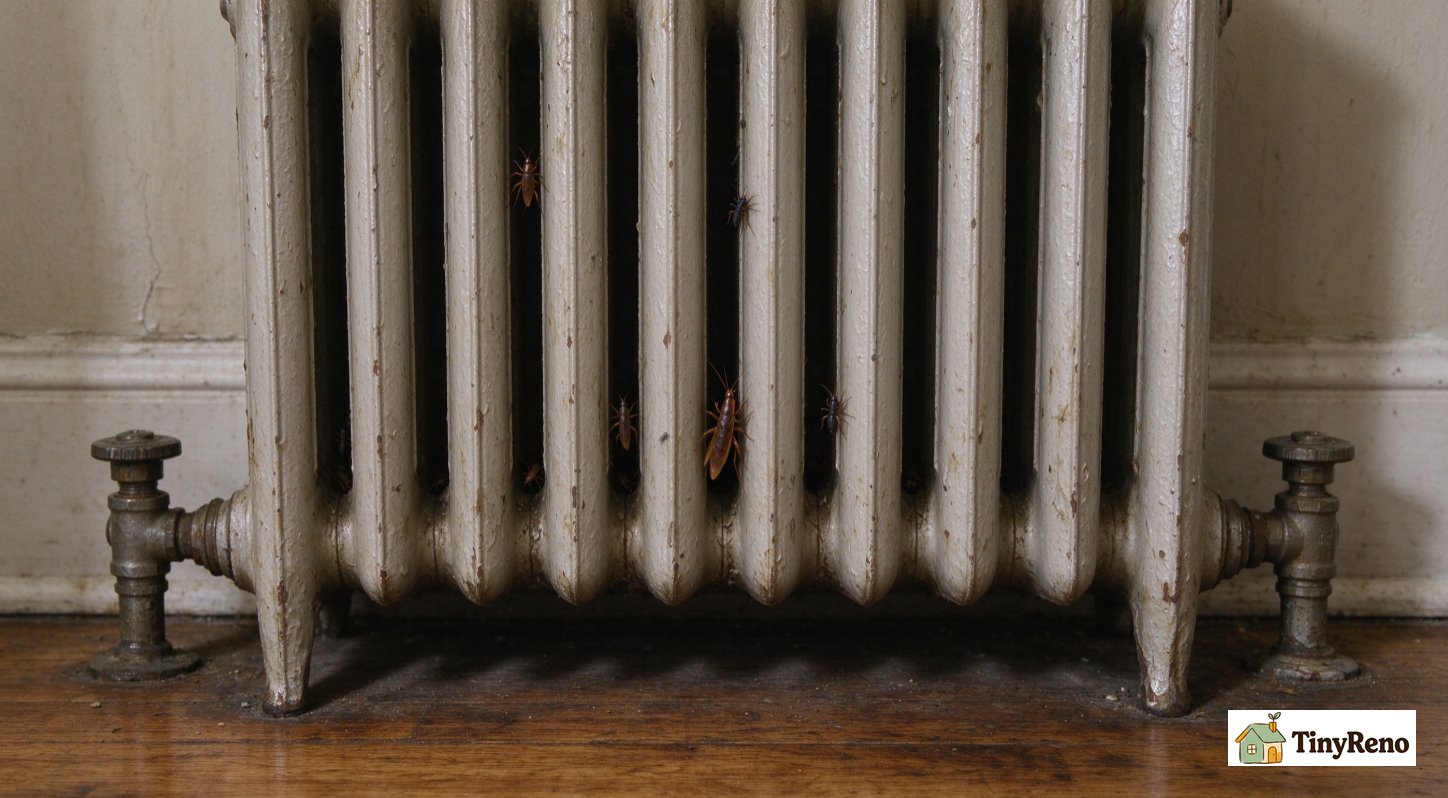
Case 1: Mario, Bushwick 2019, the Roach That Lived in the Radiator
Mario lives two floors down from where I am writing this, and he has lived in the same Bushwick walk-up since 2008. His radiator has been home to what he calls "the colony," which is a polite way of describing a cockroach population that runs into the dozens. When I asked him last winter whether cockroaches eat bed bugs in old walk-ups like ours, he laughed and told me about a sticky trap he set behind his bed in 2019 after a neighbor two buildings over got bed bugs. The trap caught a bed bug overnight—an adult, alive, climbing the wall near the radiator. Within two days, the trap also caught three cockroaches. One of the cockroaches had a bed bug leg stuck to its antenna. The bed bug was gone. The trap's interpretation was either predator or coincidence. Mario's interpretation was predator. He kept the trap and slept through it.
Mario's radiator is the key detail here. Old radiators in pre-war Bushwick walk-ups have gaps between the fins that are exactly bed-bug-sized. Bed bugs hide in those gaps during the day and come out at night to feed. Cockroaches also hide in those gaps. The two species share the same daytime refuge, and the difference is that bed bugs are hiding from us while cockroaches are hiding from the cold. When a cockroach encounters a bed bug in the radiator gap, the cockroach is larger and faster and has a more generalist diet. Yes, the cockroach will eat the bed bug if it is hungry. But the cockroach will also eat the dead skin cells in the radiator, the food crumbs under the fridge, and the cat food the upstairs neighbor leaves out. The bed bug is one option on a long menu. If you are waiting for a cockroach to choose bed bugs over the open buffet in the kitchen, you will wait longer than you can afford.
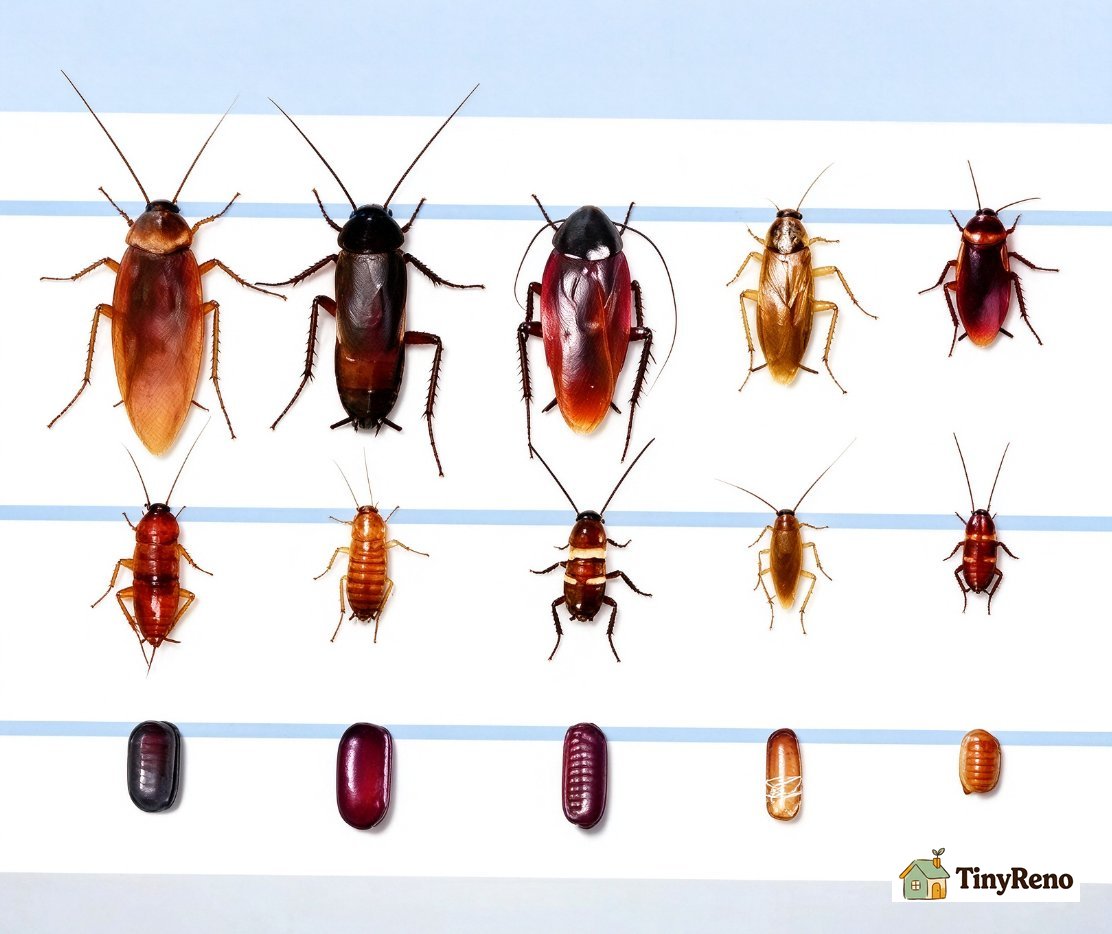
Case 2: The 4 Cockroach Species in Brooklyn Walk-Ups
There are four cockroach species most renters in Brooklyn walk-ups will encounter. The German cockroach (Blattella germanica) is the small light-brown one you see in the kitchen at night. The American cockroach (Periplaneta americana) is the large dark-brown one Mario saw, and the one I saw at 2 a.m. The Oriental cockroach (Blatta orientalis) is the dark shiny one that lives in basements. The brown-banded cockroach (Supella longipalpa) is the rare one that lives in bedrooms rather than kitchens. All four are opportunistic omnivores. All four will eat bed bugs if the bed bug is small, slow, or already dead. All four prefer easier food when it is available. Whether cockroaches eat bed bugs in your specific apartment depends on whether the bed bug is small enough, slow enough, or already dead enough to be worth the cockroach's effort.
The real trap for a renter is the scenario where a cockroach walks across a sticky trap with bed bug evidence stuck to its leg. This happened in my Brooklyn apartment in 2023. I set out 12 sticky traps around the bed frame in March after a bed bug scare. In April, I found a German cockroach stuck to one trap with what looked like a bed bug leg attached to its antenna. The cockroach did not eat the bed bug—it walked through the remains of a bed bug another cockroach had already eaten. The trap told me two pests were active, not that one was preying on the other. That is the difference between predator and scavenger, and it matters for how you treat the apartment. Two pests active means two infestations, not one pest under control.
Case 3: Astoria 2020, the Apartment That Had Both
Astoria 2020 was the worst. My upstairs neighbor Sofia had a German cockroach problem she did not know about until I told her. My downstairs neighbor Theo had a bed bug problem he did not know about until his landlord did an inspection. The whole building had both, because the radiator chase ran from the basement to the roof, and both species used the chase as a highway. I asked Sofia whether her cockroaches had eaten any bed bugs. She said she had no idea, but she had caught two cockroaches in the bathroom near the radiator with what looked like bed bug shells next to them. The shells were the shed skins of immature bed bugs, which are pale and translucent and about the size of a sesame seed. Cockroaches will eat those shed skins. They are an easy meal — no fight, no defense, no movement. The bed bug is most vulnerable when it is shedding, and that is exactly when a cockroach in the chase is most likely to encounter one.
Sofia's cockroaches were not saving her from the cardboard box the bed bugs came in. The cardboard box came from a thrift store in Manhattan, and the bed bugs were already inside when Sofia brought it up the stairs. By the time the cockroaches encountered the bed bugs in the radiator chase, the bed bugs had been in the building for two weeks and had laid eggs in the couch, the bed frame, and the dresser. The cockroaches ate some shed skins. They did not eat the adults. They did not eat the eggs. The infestation continued for another four months and cost Sofia $1,200 in pest control, $400 in furniture replacement, and $0 in cockroach population control. The cockroaches were a separate problem with a separate cause, and she paid for both separately. The Astoria case showed me conclusively that cockroaches eat bed bugs only when the bed bugs are easy meals—shed skins, not adults. The actual question is not whether cockroaches eat bed bugs in theory, but whether they eat them in practice at a rate that controls an infestation. They do not.
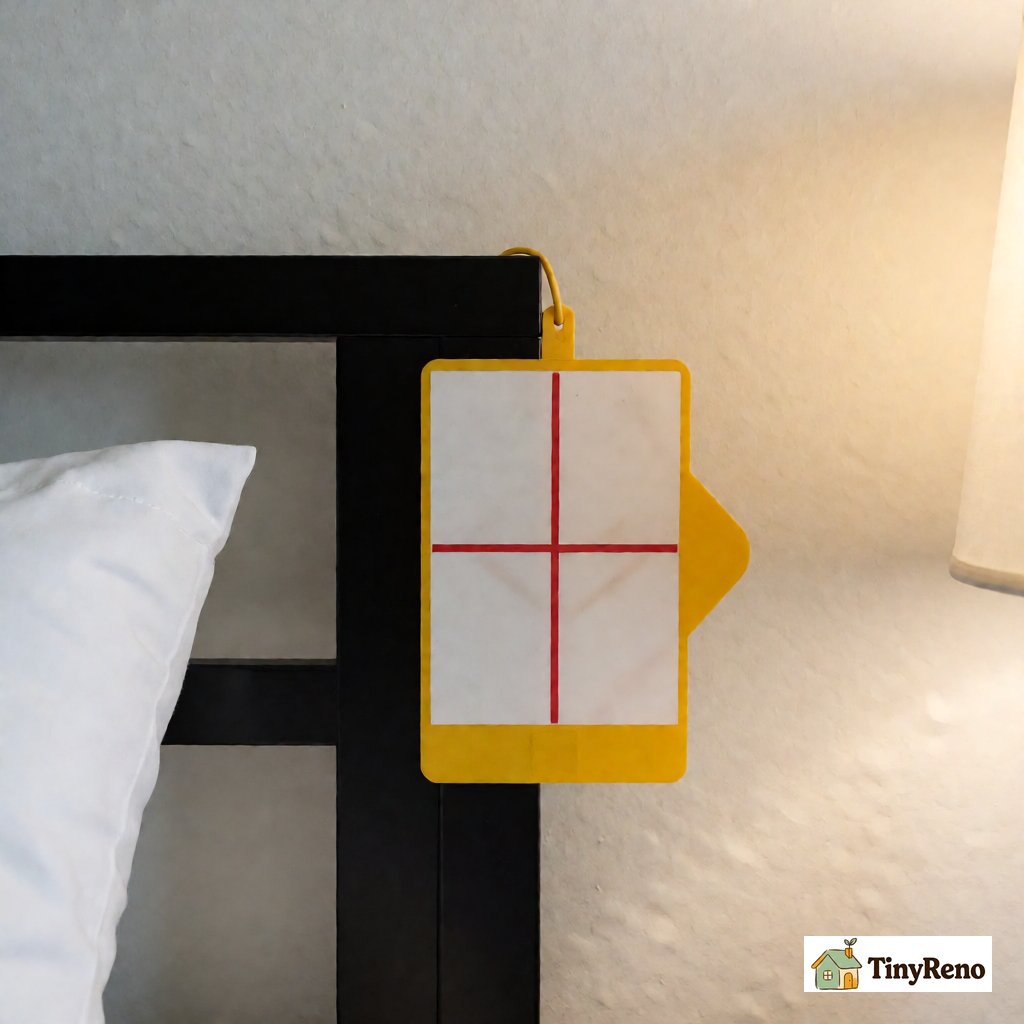
Case 4: Bushwick 2023, the Sticky Trap That Settled It
The sticky trap I set in 2023 settled the question for me. I set 12 traps around the bed frame on a Friday and left them for two weeks. I caught zero cockroaches in the bedroom traps. I caught one bed bug on day three and a second bed bug on day nine. The cockroaches in the kitchen kept walking through the kitchen traps, but the bedroom traps told me that no cockroach was crossing into the bedroom to deal with the bed bugs. The bed bugs were free to feed on me for the entire two weeks. If a cockroach had been preying on the bed bugs in my bedroom, the trap would have shown it. It did not. The bedroom trap showed two bed bugs caught, zero cockroaches caught, and zero predator-prey interaction. The cockroach in the kitchen was eating the kitchen food. The bed bug in the bed was eating me. Do cockroaches eat bed bugs in this apartment? No, the trap showed me that they did not, not in the bedroom and not in numbers that mattered.
The $12 I spent on sticky traps told me in two weeks what I would have spent three months arguing about otherwise. Yes, cockroaches eat bed bugs. Yes, the eating happens. No, the eating does not happen at a rate that controls an infestation. A single adult female bed bug can lay one to five eggs per day. A single cockroach might eat one or two bed bugs per week if it is hungry and encounters them. The math does not work. The bed bug reproduces faster than the cockroach preys. If you wait for the cockroaches in your kitchen to walk to your bedroom and eat the bed bugs before they reproduce, you will wake up with new bites for months.
What Actually Works for a Renter
What worked for me in Bushwick 2023 was a $12 pack of 24 sticky traps, a $40 pack of bed-bug-rated mattress encasements, and a $250 professional heat treatment from a licensed pest-control company that came in with a truck-mounted heater and raised the bedroom to 130 degrees for six hours. The sticky traps monitor. The encasements starve the existing ones. The heat treatment kills the eggs. Total cost $302. Total time to resolution three weeks. Total bed bugs caught in the traps during the three weeks: six. Total cockroaches that I saw in the bedroom during those three weeks: zero. The cockroaches stayed in the kitchen. The bed bugs stayed in the bedroom until the heat treatment killed them. The two species were not in dialogue with each other. They were in two separate rooms of the same apartment, doing two separate things, and the only thing that solved both was two separate treatments.
If you live in an old Brooklyn walk-up and you are wondering whether the cockroach in your kitchen will eat the bed bug in your bed, the answer is yes in theory and no in practice. Yes, the cockroach is biologically capable. No, the cockroach will not relocate from the kitchen to the bedroom to do the work for you. Buy the $12 sticky traps, monitor for two weeks, and call a licensed pest-control company if you catch even one bed bug. The cockroach in the kitchen is not your friend. The cockroach in the kitchen is a separate problem, and you will pay to solve both separately, in that order, because the bed bugs will not wait for the cockroaches to figure out where they are.


Discussion (0)
Sign in to join the discussion