

The day I found the fence 1.5 feet onto my side of the line
Encroachment vs easement was the search I typed into Google from my driveway, holding a survey map and looking at my neighbor Joe's new fence, which was 1.5 feet onto my side of the property line. I knew it was 1.5 feet because I had paid for a survey two summers earlier, when I was thinking about putting in a pool, and the survey stakes were still in the ground under the leaves. The fence posts were past the stakes, on my side of the line. I went outside and looked at the stakes and I thought: he has crossed the property line. The property line is a red line. You cannot cross a red line. The fence has to come down.
I was right about the 1.5 feet. I was wrong about the red line. The property line is not, in the legal sense, a red line. The property line is the edge of a bundle of rights, and the rights inside the bundle can be carved up, sold, given, inherited, or implied by long use, and a fence that sits 1.5 feet across the line might be a trespass, might be an encroachment, might be an easement by prescription, or might be an entirely different kind of dispute that has nothing to do with the line at all. The category matters more than the inches. The first thing my lawyer Sarah told me, when I called her from the driveway holding the survey map, was: do not ask how far the fence is over. Ask what kind of right your neighbor thinks he has.
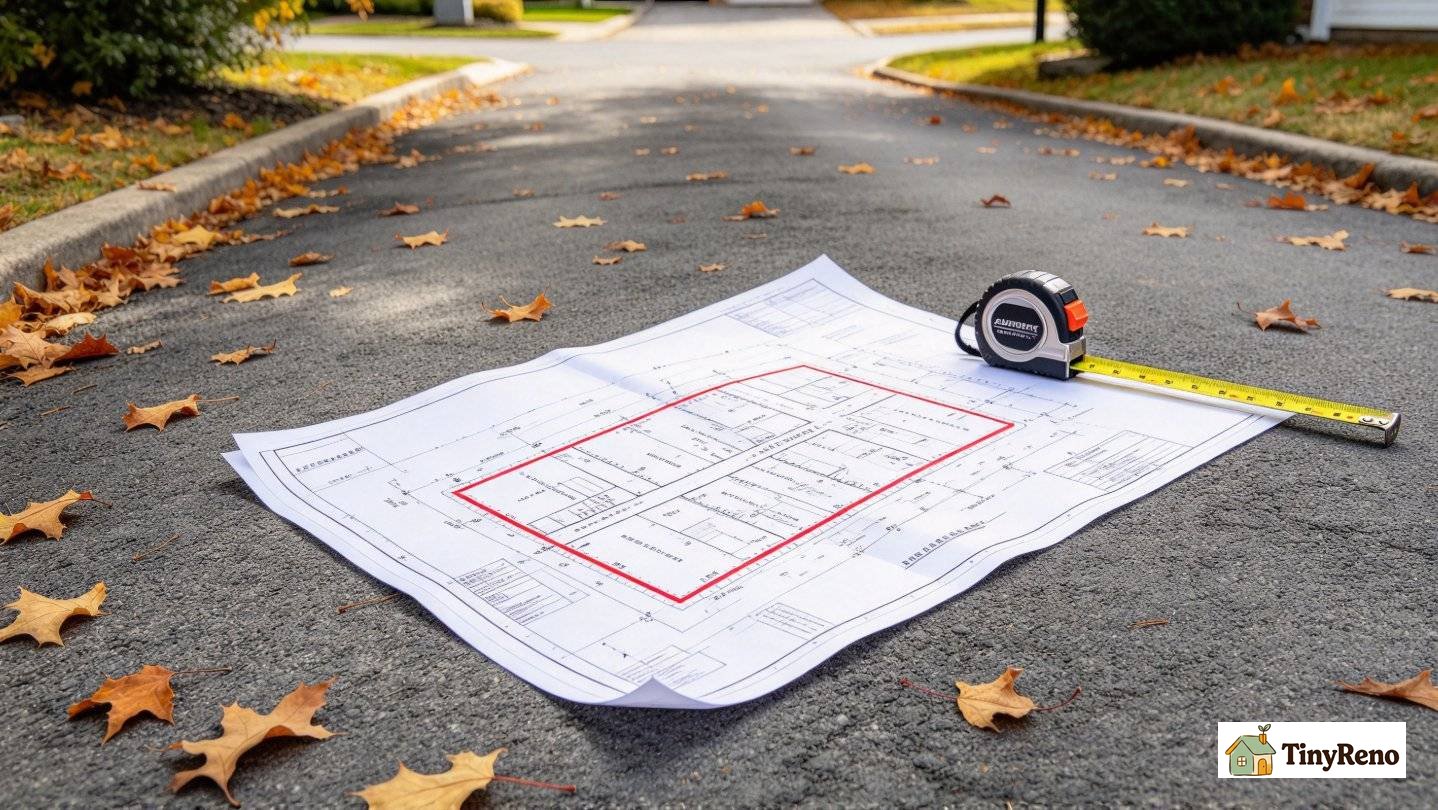
How a Brookline real estate attorney explained the categories
Sarah is a real estate attorney in Brookline, and she has handled about 80 encroachment vs easement cases in 14 years of practice, which she said is not a lot, because most boundary disputes are not handled by lawyers at all. Most boundary disputes are handled by the people on either side of the fence, with a tape measure and a strongly worded conversation. The lawyer comes in when the tape measure does not resolve the question, and the question is almost always the same question in four possible categories: is this encroachment, is this easement, is this trespass, or is this something my neighbor and I are going to argue about for the rest of our natural lives without either of us being right. These four categories are not the same. They lead to four different outcomes, four different statutes, four different costs, and four different time horizons. The 1.5 feet does not change between the four categories. The category is what changes the answer.
The first thing Sarah did was ask me three questions, and the three questions were not about the inches. The first question was: how long has the fence been there. The second question was: did the previous owner of your house ever say anything to the previous owner of Joe's house about the fence. The third question was: does the fence cross anything that looks like a driveway, a path, or a utility line. I answered: a year and a half, I don't know, and I don't think so. Sarah said: that puts you in one of three likely boxes—easement, encroachment, or trespass—and we are going to spend the next 20 minutes figuring out which one. Trespass is what I had assumed. Trespass was the worst of the three boxes for me. Sarah said: you are probably not in trespass, and you are probably in encroachment, and the difference between those two is the difference between a letter and a lawsuit.
The distinction that mattered in the encroachment vs easement question, the one Sarah kept coming back to, was the distinction between a use and an occupation. A use is when your neighbor uses part of your land for a purpose that does not take the land away from you. A driveway that crosses your side yard is a use, because the land underneath the driveway is still your land, and you could put a flower bed on either side of the driveway, and the driveway does not prevent you from doing anything with your land. An occupation is when your neighbor takes part of your land for a purpose that does take the land away from you. A fence that sits on your side of the line is an occupation, because the fence is a structure, and the structure means you cannot use the 1.5 feet underneath the fence for any other purpose. The law treats these as different categories: a use may be an easement, an occupation is an encroachment, and an unauthorized entry is a trespass. The driveway is an easement question. The fence is an encroachment question. The inches are the same. The categories are different. The remedies are different.
Why the online distinction between encroachment and easement is wrong
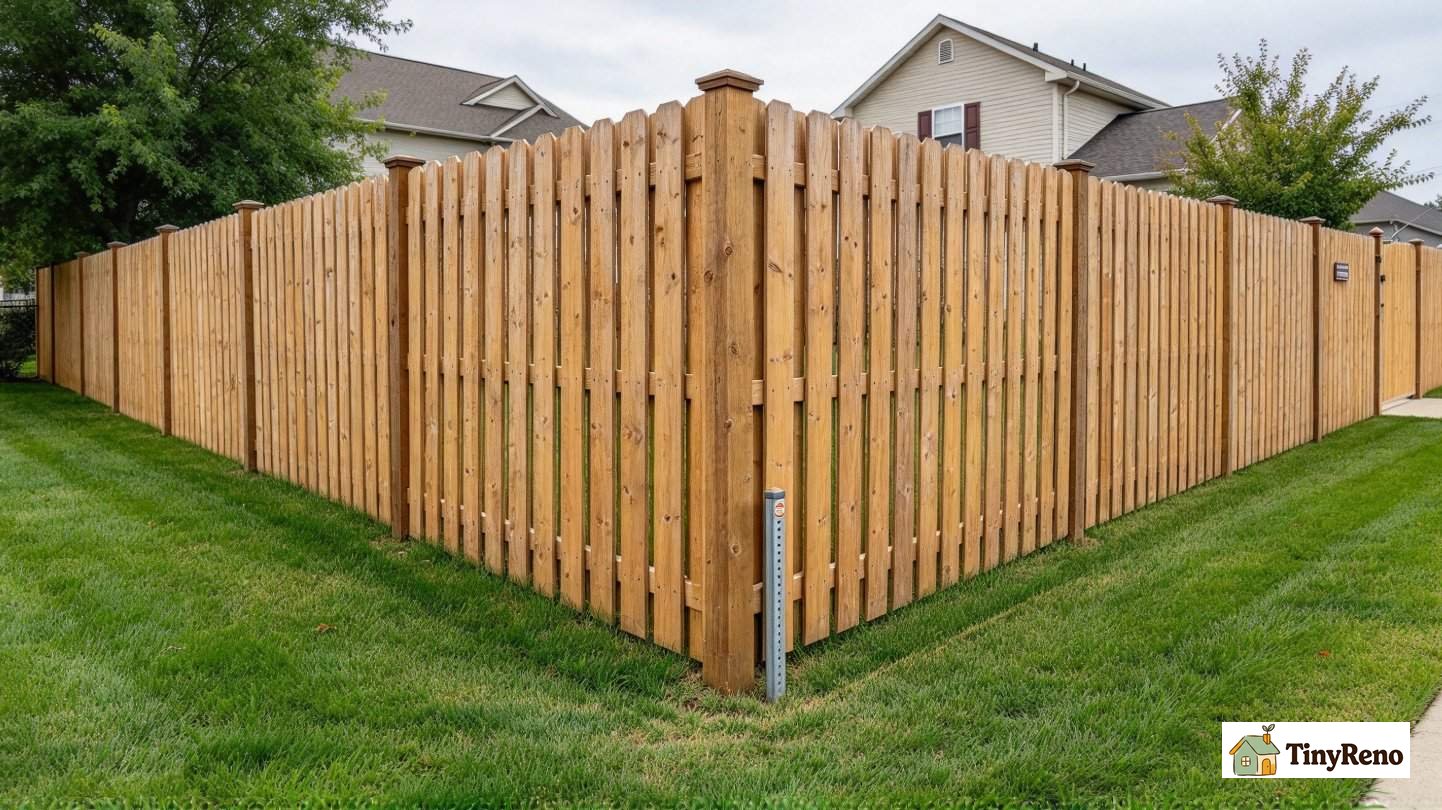
This is the part of the encroachment vs easement distinction where I have to slow down and be careful, because I am not a lawyer, and Sarah is a lawyer, and the distinction Sarah was drawing is the distinction the law actually uses, and most of what is online about encroachment versus easement is wrong about this distinction in a way that matters. Most of what is online uses encroachment to mean any time a neighbor uses your land, and easement to mean any time a neighbor has a right to use your land. That is the distinction the websites draw. That is not the distinction the law draws. The law draws the distinction I just drew above: use versus occupation, with trespass as the third category that includes both. The 1.5 feet under Joe's fence was an occupation, which made it an encroachment question, which put the burden on Joe to either move the fence or to prove he had a right to keep it there.
The way Sarah and I narrowed the encroachment vs easement question, instead of trespass, was through the length of time the fence had been standing. A year and a half is not long enough, in Massachusetts, to claim an easement by prescription, which is the legal phrase for the right to keep using someone else's land because you have used it long enough that the law has stopped caring. The number in Massachusetts is 20 years. Joe had the fence up for a year and a half. Joe could not claim a prescription easement. Joe could not claim any other kind of easement, because easement by grant requires a written document, and easement by necessity requires a showing that there is no other way to access the land, and Joe has a perfectly good driveway on his side. The fence was an encroachment, not an easement, and the difference between those two categories is what determined what happened next.

What Sarah's letter actually said, and what Joe did next
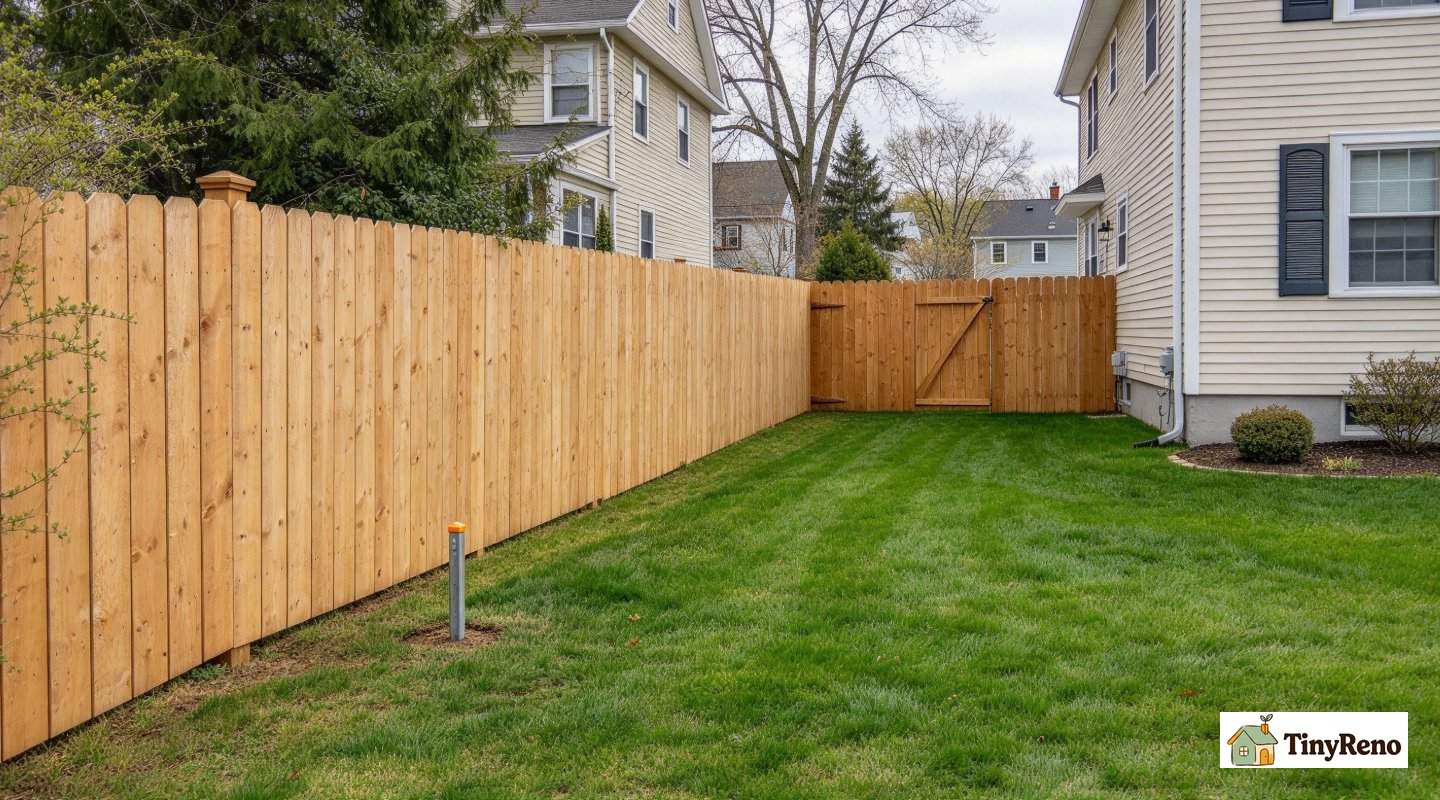
What happened next was a letter. Sarah wrote a letter. The letter did not say move the fence. The letter said: the fence appears to cross the surveyed property line by approximately 1.5 feet, please confirm within 30 days whether you have a recordable document supporting its current location, and if you do not, please contact me to discuss a relocation. The letter went out on a Wednesday. Joe called Sarah on Friday. Joe said his brother-in-law had helped him put the fence up, and the brother-in-law had not used a survey, and the brother-in-law had eyeballed it. Joe asked what it would cost to move the fence. Sarah said between $400 and $800, depending on the contractor. Joe moved the fence in three weekends. The fence is now on his side of the line. The total cost was $650. The total time was six weeks from the day I first noticed the fence to the day the fence stopped being on my side.
What I would tell someone standing in their driveway with a survey map
If the fence had been there for 20 years instead of a year and a half, the encroachment vs easement answer would not have been the letter I described. If the fence had been there for 20 years, the question would have been whether Joe had an easement by prescription, and the question of whether Joe had an easement by prescription would have depended on whether the use was open, notorious, continuous, and hostile—the four legal words for: did everyone know, was it obvious, did it keep happening, and was there a dispute. If all four were yes, Joe might have had the right to keep the fence where it was, and I would have been the one writing a letter, and the letter would have been about compensation, not relocation. In Massachusetts, 20 years is the statutory period for prescription, but cases can be complicated by tacking, interruptions, and other factors. Sarah said the shortest prescription easement case she had seen was 11 years, and the longest was 38, and the median was around 22. The median is what you should plan around when you are the one whose land is being used.
The thing I would tell someone who is standing in their driveway with a survey map in one hand and a phone in the other is this: the inches are not the question. The inches are evidence. The question is what category the inches fall into, and the category depends on three things you can answer before you call anyone. The three things are: how long has the structure been there, was the structure put there with the previous owner's knowledge or silence, and is the structure a use of the land or an occupation of the land. The answers to those three questions will not give you a legal answer. The answers will tell you which of the four categories you are probably in, and which of the four categories you are probably in will tell you whether the right first step is a letter, a survey, a title search, or a call to a lawyer. The inches are not the question. The category is the question. The category is what a lawyer for an easement or encroachment question actually charges you to figure out.
The thing I got wrong about encroachment vs easement, and the reason I am writing this down, is that I assumed the property line was a red line. The property line is not a red line. The property line is the edge of a set of rights, and the rights can be carved up in ways that took me a $300 phone call with Sarah to understand. The 1.5 feet under Joe's fence was not trespass, which was the word I would have used. The 1.5 feet was encroachment, which is a different word with a different process, a different cost, and a different time horizon. Trespass would have meant a court filing and a hearing and a possible damages award. Encroachment meant a letter and a phone call and a contractor with a weekend. The category is the question. The inches are evidence. The lawyer turns the inches into the category. The order is: measure first, then call, then read, then write.


Discussion (0)
Sign in to join the discussion